Recently someone on a fear-of-flying forum wrote: "The pilot just announced turbulence, I'm freaking out." I understand. A voice from the flight deck, a phrase you don't recognise, and your imagination fills in the rest.
So here is a plain-English guide to what we actually mean when we press the PA button.
Before departure
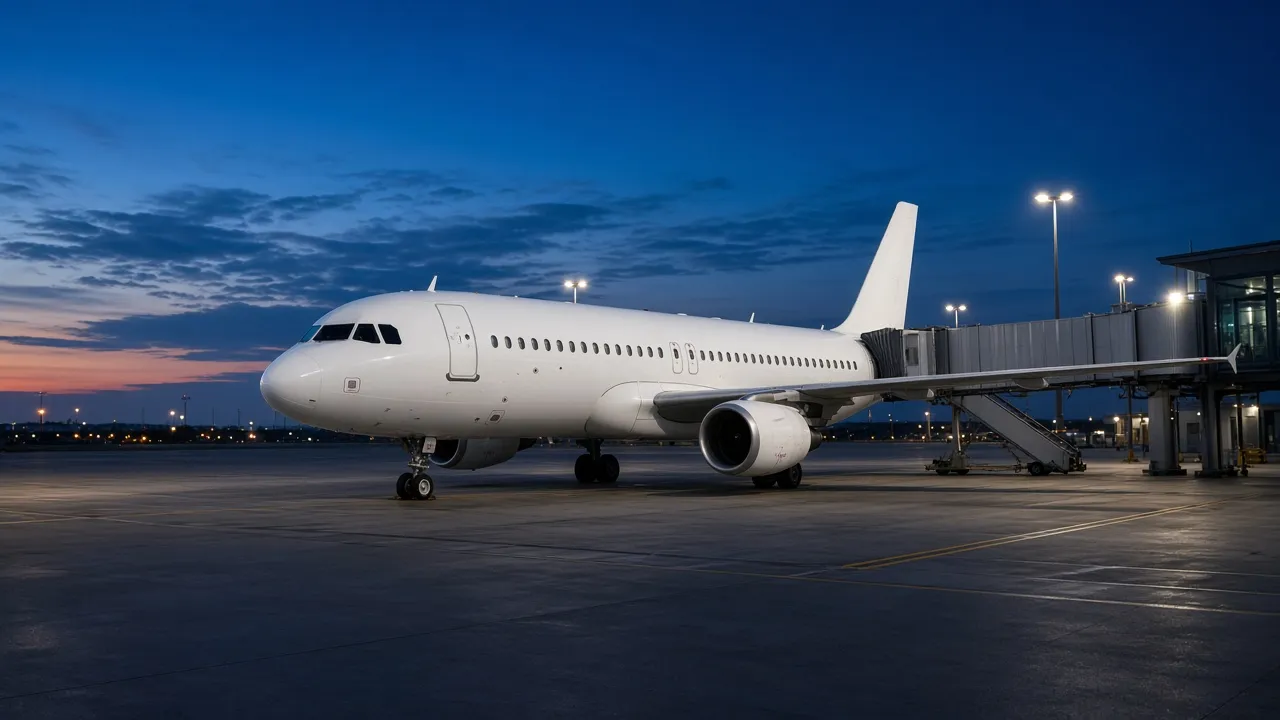
- "Cabin crew, doors to automatic and cross-check." The crew are arming the doors so the slides would work in an emergency, then checking each other's work. Every flight, every time.
- "We're just waiting for our paperwork / a slot." Air traffic control gives departure times to keep the skies flowing smoothly. A wait on the ground is about traffic, not about the aircraft.
- "Cabin crew, prepare for take-off." We are nearly ready to go. The crew make sure the cabin is secure.
In the climb and cruise
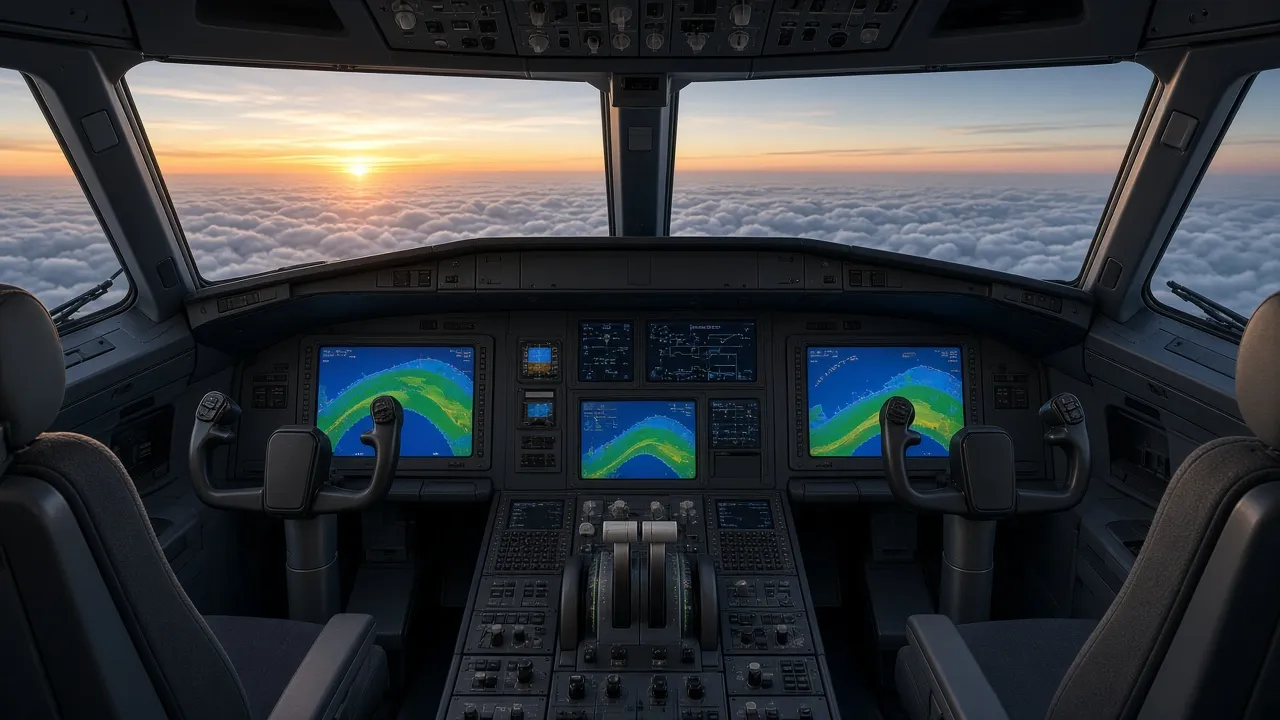
- "We're expecting some light chop / bumps." We have seen forecasts or reports from aircraft ahead. We are telling you because we know about it, and knowing means we've planned for it.
- "We've switched the seatbelt sign on." Please sit down and fasten your belt. This is the single most useful instruction on any flight, and I explain why in my turbulence on descent and wake turbulence guide.
- "Cabin crew, please take your seats." We want the crew seated too, usually because the air ahead looks bumpy. It is a precaution for comfort and safety, not a sign of danger.
- "We're climbing / descending to find smoother air." We have asked air traffic control for a different altitude. Totally routine.
During descent and arrival
- "Cabin crew, prepare the cabin for landing." We are about 20 to 30 minutes from the runway.
- "We're in a holding pattern." The airport is busy or the weather is being sorted out. Aircraft carry extra fuel for exactly this. More in why is the plane circling?
- "Cabin crew, seats for landing." A few minutes to touchdown.
- "We've carried out a go-around." We chose to climb away and try again. It is a normal, practised manoeuvre. See what is a go-around?
When the pilots say nothing
Silence from the flight deck is normal. During take-off, descent and landing we are busy flying, running checklists and talking to air traffic control. If something needs your attention, we will tell you.
How to use announcements to stay calm
- Treat the announcement as information. It means the pilots know and are ahead of the situation.
- Do the one action. Usually that is: sit down and fasten your belt.
- Breathe slowly. In for a count of five, out for a count of five.
- Watch the crew. Calm crew are your best real-time signal.
The captain's bottom line
Pilot announcements are not alarms. They are us letting you in on the plan. When you hear "turbulence" or "take your seats", it means we saw it coming. Fasten your belt, breathe, and let us do the flying.
Want this in your pocket?
Download my free illustrated PDF, Turbulence & Aircraft Sounds Explained by an Airline Captain, and take it on your next flight.
Get the free guideFrequently asked questions
What does "cabin crew, take your seats" mean?
It means the pilots want the crew seated, usually because the air ahead looks bumpy or the aircraft is about to land. It is a routine precaution, not a sign of danger.
The pilot said we're expecting turbulence. Should I worry?
No. Pilots announce turbulence because they know about it in advance, which means they have planned for it. The announcement is there so you can fasten your belt and stay seated.
Why did the pilot say nothing during the bumps?
During busy phases the pilots are flying the aircraft and talking to air traffic control. Silence usually means everyone is busy with routine work.
What does "cabin crew, doors to automatic" mean?
The crew are arming the doors so the emergency slides would deploy if a door were opened. It is done on every flight before departure.
This article is general information, not medical or professional advice. Always follow instructions from your crew. If fear of flying seriously affects your life, please speak to a doctor or qualified therapist.