In October, two flights made the news for severe turbulence. If you have a trip coming up, headlines like these can stick in your mind. So let me explain what happened, what we know and don't know, and the simple habit that protects you.
What happened on the two flights
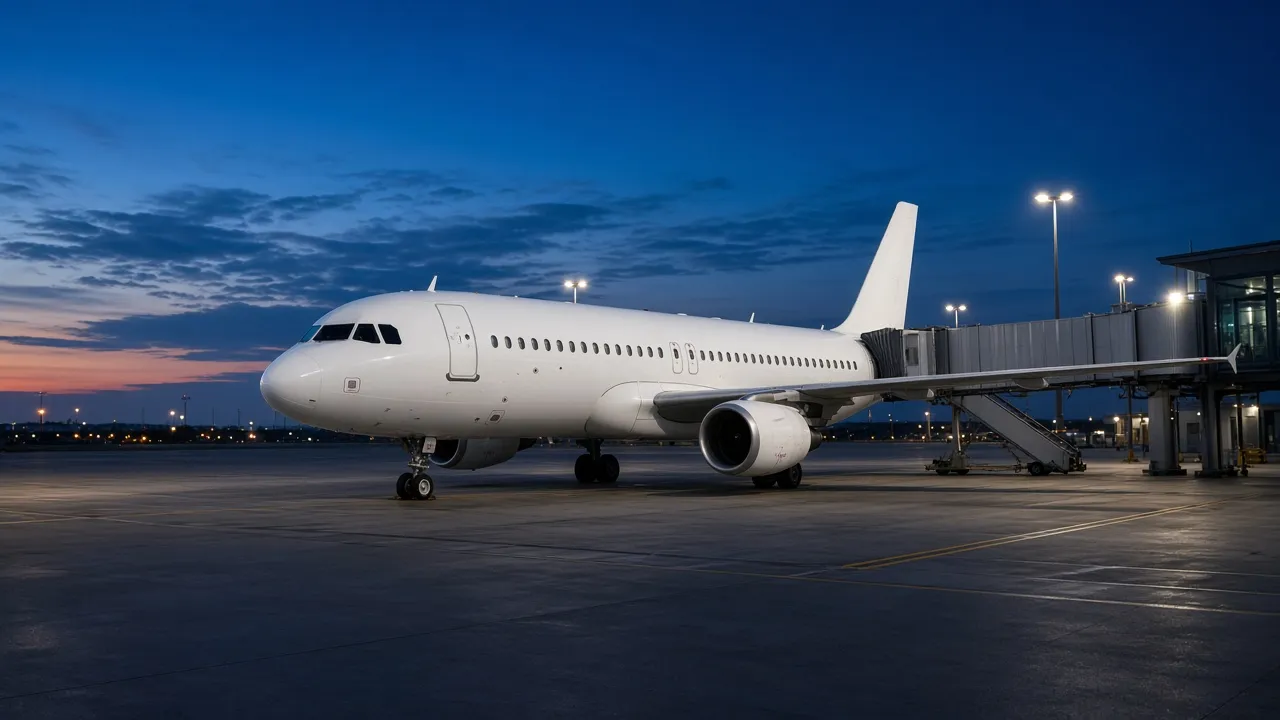
On 21 October 2026, United flight 1157 from Honolulu to Los Angeles hit severe turbulence while descending. Four flight attendants were injured and one was taken to hospital. No passengers were reported hurt. According to reports, the pilot told air traffic control it "felt like wake turbulence", but the cause has not been confirmed. (>LA Times, >The Independent)
On 9 October 2026, Avianca flight 42 from Medellín to New York diverted to Miami after severe turbulence, and several people were taken to hospital. The FAA is investigating. (>ABC News, >AP)
Both aircraft landed safely. In both cases, the people hurt were mostly crew or people who were standing or not strapped in. That pattern matters, and I'll come back to it.
What wake turbulence is
When a wing makes lift, the air at each wingtip curls around into a spinning swirl, a bit like the wake behind a boat. Every aircraft leaves two of these behind it, and they slowly sink and drift with the wind before fading away.
If another aircraft flies into one, it can feel a sudden roll or jolt. It is usually short. Air traffic control keeps aircraft spaced apart, with larger gaps behind heavier aircraft, precisely so that these swirls have time to fade. Pilots also know how to avoid them, for example by staying above the path of a larger aircraft ahead on the approach.
Why descent can feel bumpier
The cruise is often the smoothest part of the flight. On the way down, several things change:
- We pass through layers of air. Winds and temperatures change with height, and the boundaries between layers can ripple.
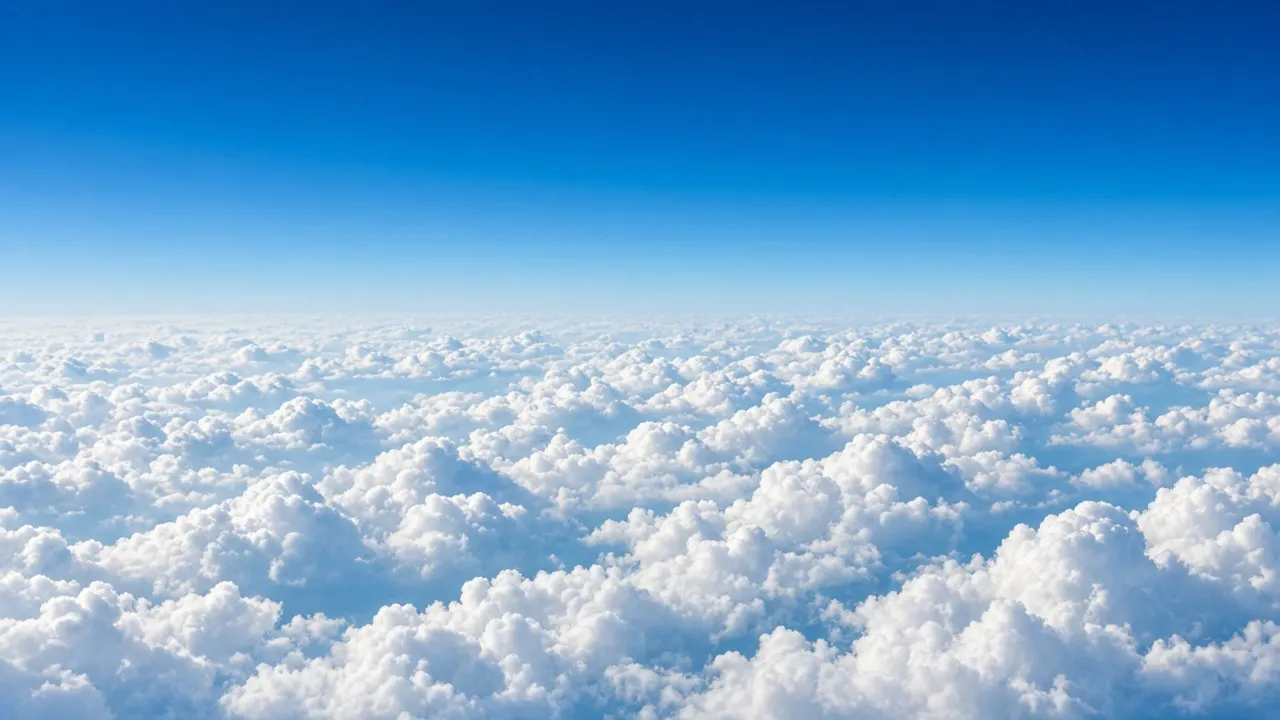
- We fly through cloud. Cloud is moving air you can see.
- Air near the ground is stirred up. Wind flowing over hills, buildings and warm ground makes the lower air choppier.
- Traffic is busier. Near big airports more aircraft are following similar paths, which is why controllers manage spacing so carefully.
None of this threatens the aircraft. Airliners are built to take loads far beyond what they meet in turbulence. I explain that in is turbulence dangerous?.
Why crew get hurt more than passengers
During the descent, cabin crew are often on their feet, finishing the service and securing the cabin. That is why, when turbulence catches an aircraft by surprise, crew are the ones most at risk. Seated passengers with belts on are very well protected.
That brings us to the message I most want you to remember.
The one habit that protects you
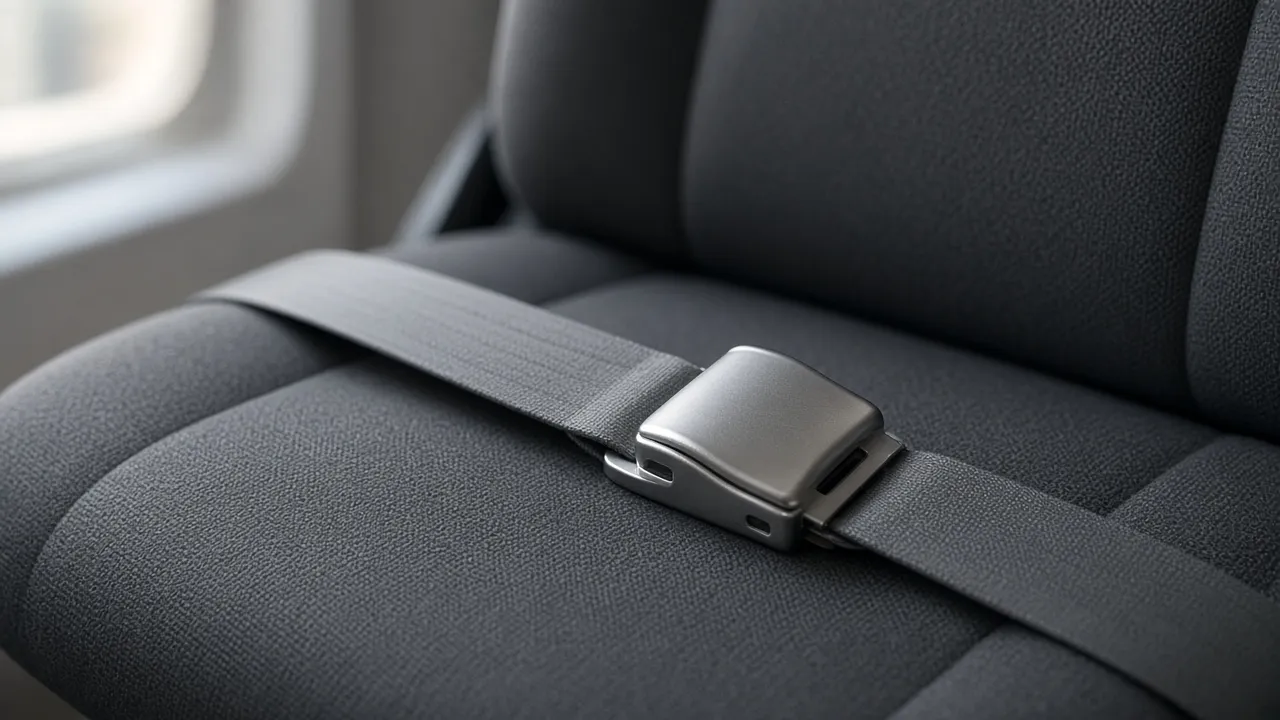
Keep your seatbelt fastened whenever you are seated, even when the sign is off. Loosely is fine. Pilots keep theirs on for the whole flight.
When the seatbelt sign comes on, or the crew ask you to sit down, do it straight away. If you are in the toilet or the aisle, hold on to something solid and get back to your seat as soon as you can. Stow heavy items under the seat in front, and keep hot drinks on the tray only while you're drinking them.
If it gets bumpy on your flight
- Check your belt. Low and snug across your lap.
- Breathe slowly. In for a count of five, out for a count of five, for a few minutes.
- Watch the crew. If they are seated, they are following procedure, not panicking.
- Remind yourself: the aircraft is built for this, and the pilots are already working on a smoother ride.
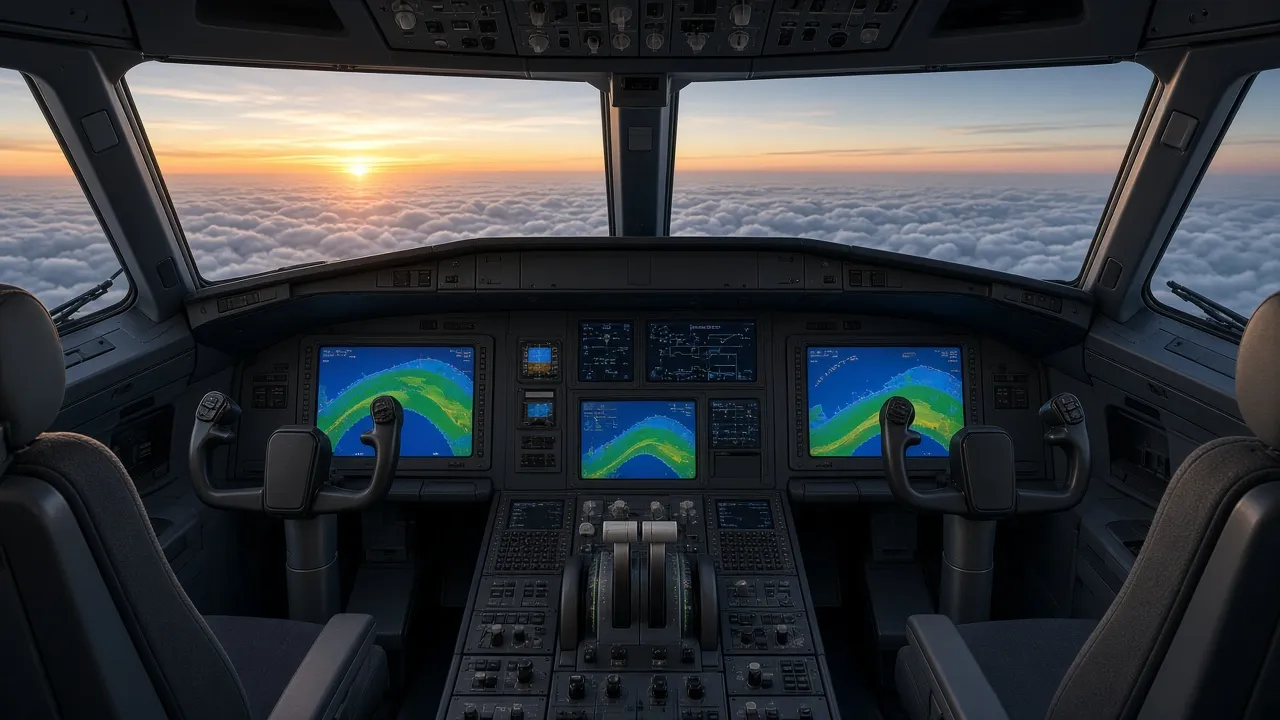
Curious what the pilots are doing up front? Read how pilots handle turbulence, and if a sudden drop is your worst fear, why the plane suddenly drops. If you hear the pilot mention turbulence on the PA, here is what the pilot's announcements actually mean.
The captain's bottom line
Severe turbulence is rare, and when it makes the news it is usually because people were standing or unbelted. Wake turbulence is something pilots and controllers plan around every day. The cause of United 1157 is still unconfirmed, and the investigators will tell us more. In the meantime, the best protection is simple and in your hands: whenever you are seated, keep your seatbelt on.
Want this in your pocket?
Download my free illustrated PDF, Turbulence & Aircraft Sounds Explained by an Airline Captain, and take it on your next flight.
Get the free guideFrequently asked questions
What is wake turbulence?
Every aircraft leaves two spinning swirls of air behind its wingtips as it flies. If another aircraft flies into those swirls, it can feel a sudden roll or jolt. Air traffic control spaces aircraft apart to keep encounters rare and brief.
Was the United 1157 turbulence caused by wake turbulence?
The cause has not been confirmed. Reports say the pilot told air traffic control it felt like wake turbulence, but only the official investigation can say what actually happened.
Why can the descent feel bumpier than the cruise?
On the way down the aircraft passes through layers of air with different winds and temperatures, flies through cloud, and gets closer to the ground where air is more stirred up. Traffic is also busier near airports.
What should I do to stay safe?
Keep your seatbelt fastened whenever you are seated, even when the sign is off, and follow crew instructions straight away when the sign comes on.
This article is general information, not medical or professional advice. Always follow instructions from your crew. If fear of flying seriously affects your life, please speak to a doctor or qualified therapist.