When the aircraft starts to bounce, most passengers picture the pilots fighting the controls, sweat on their brows. The reality is far calmer, and I think knowing what really goes on behind the flight deck door is one of the most reassuring things a nervous flyer can learn.
Let me take you through it step by step: before the flight, in the air when we expect bumps, and when bumps arrive unexpectedly.
Before the flight: turbulence planning starts on the ground
Long before you board, the crew receive a flight briefing package. Among the weather reports, wind charts and route details, there are charts that forecast where turbulence is likely. Meteorologists produce these using models of jet streams, wind shear and weather systems. Many airlines also use dedicated turbulence forecasting tools that show expected intensity at different altitudes along the route.
During our briefing, my first officer and I look at questions like:
- Where on the route do we expect bumps, and at what altitude?
- Is there thunderstorm activity near departure, en route or at destination?
- Is there a jet stream we will cross?
- Are there mountains with strong winds over them?
We then brief the cabin crew. A typical briefing might be: "We expect light to moderate turbulence about 40 minutes after take-off for roughly 15 minutes. We'll keep the seatbelt sign on and let you know when it's suitable to start the service." That is why cabin crew rarely look surprised by bumps. They often knew before you did.
In the air: avoiding the bumps we know about
Once airborne, our job is to give you the smoothest ride possible. We have several tools for this.
Pilot reports. Pilots share ride reports with air traffic control and each other. If an aircraft 50 miles ahead of us reports a bumpy ride at our altitude, we know about it and can plan around it. Reports go both ways: we report what we experience so the aircraft behind us benefit.
Changing altitude. Turbulence is often confined to a layer of air. Climbing or descending a couple of thousand feet can take you from a bumpy ride to glass-smooth. We request the change from air traffic control, which coordinates with other traffic.
Changing route. For weather like thunderstorms, we deviate around the cells, sometimes by 20 miles or more. I explain that in more detail in what pilots do during a storm.
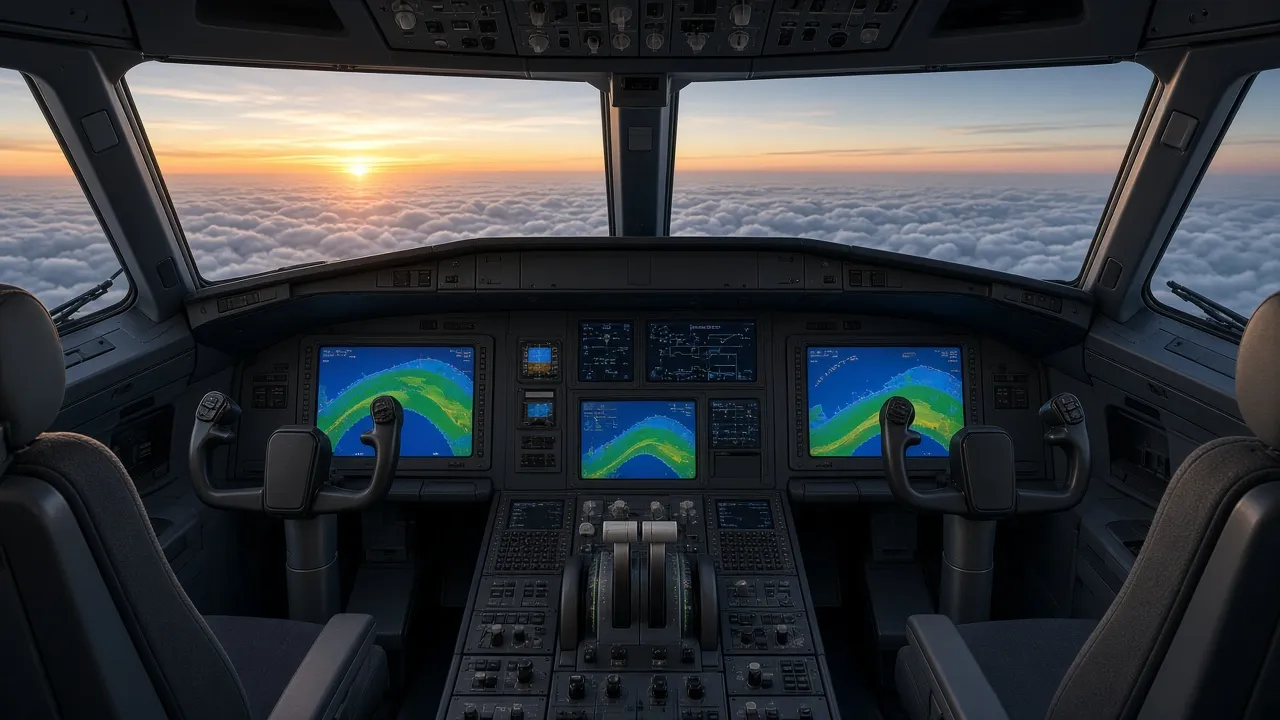
Weather radar. Our onboard radar shows precipitation ahead of the aircraft, which helps us see and avoid storm cells, especially at night.
Data links and apps. Many airlines now give crews real-time turbulence data collected automatically from other aircraft. It's like a live traffic map for bumps.
When turbulence arrives
Even with all that planning, some turbulence can't be avoided, and clear-air turbulence can appear with little warning. Here's what happens on the flight deck when it does.
1. Seatbelt sign on. The very first thing we do is switch on the seatbelt sign. If it's more than light, we make an announcement asking passengers and crew to sit down. This is the most important step, because it protects people from the only real risk: being thrown around while not strapped in.
2. Autopilot keeps flying. In most cases the autopilot remains engaged. Modern autopilots are smooth and precise, and they handle turbulence well. We monitor closely with our hands near the controls.
3. Speed management. Aircraft have a recommended speed for flying in rough air. It gives a good margin between flying too slowly and too fast, and reduces loads on the structure. We may adjust our speed towards it.
4. Ask for smoother air. We talk to air traffic control and ask what other aircraft are reporting, and request a different altitude if one is better.
5. Tell the cabin. We'll call the cabin crew to make sure they're seated if necessary, and update passengers. A calm announcement from the flight deck makes a big difference to how the cabin feels.
6. Report it. We pass on what we experienced so others can avoid it.
That's it. There's no drama, no emergency checklist. For pilots, turbulence is part of normal operations, a bit like a driver slowing down on a bumpy road.
What pilots are actually thinking
I'll be honest with you about what goes through my mind in turbulence after more than twenty years of flying. I'm thinking about the people in the back. Is the crew seated? Is the service paused? Can I find a smoother level? How long will this last? Should I make an announcement?
I am not thinking about whether the wings are OK. Airliners are built with large safety margins for exactly these conditions, and in my career across turboprops, narrowbody and widebody jets, I have never once seen turbulence threaten an aircraft. It's a comfort issue, and we manage it like one.
Why some flights are bumpier than others
Time of day. Afternoon flights over land in summer are often bumpier near the ground due to rising warm air. Early morning flights are usually smoother.
Season. Winter jet streams are stronger over North America, Europe and the North Pacific, which can mean more clear-air turbulence on some routes.
Geography. Routes over mountain ranges, such as the Alps, the Rockies or the Andes, can experience mountain wave turbulence when winds are strong.
Aircraft size. Larger aircraft generally ride turbulence more smoothly than small regional aircraft, though all are equally designed for it.
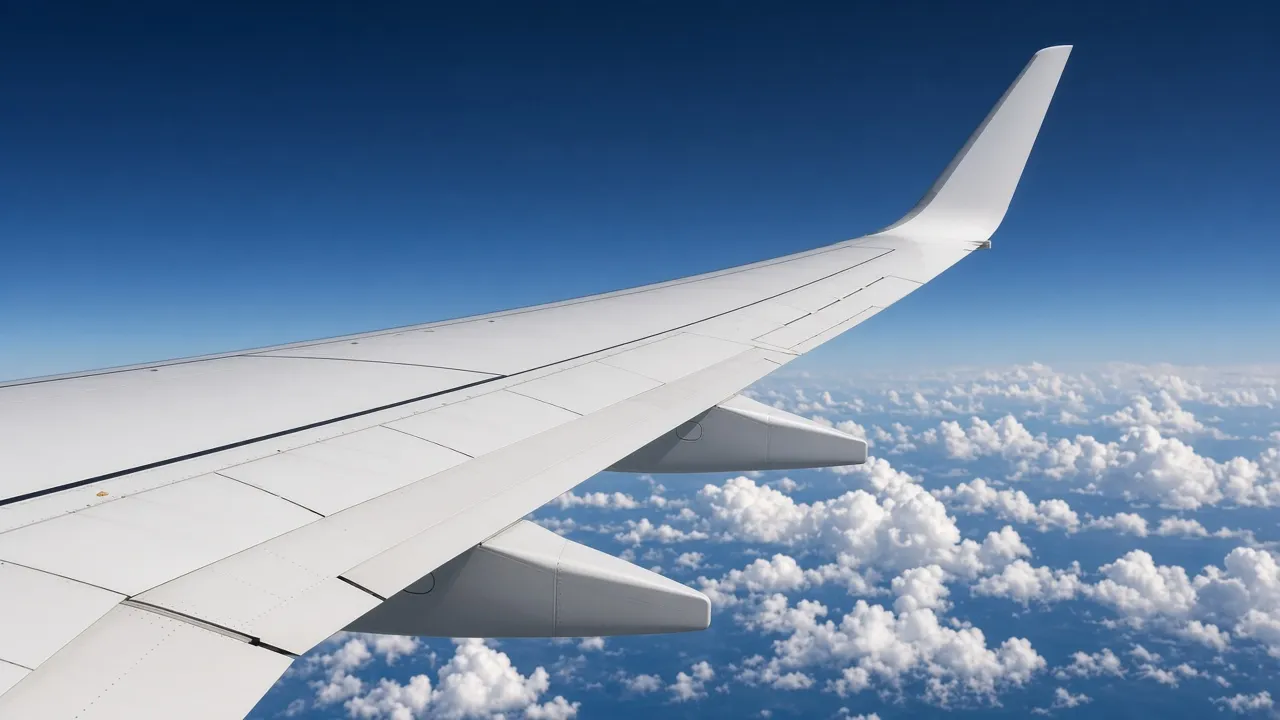
Where you sit. Seats near the wings feel the least motion. The back of the aircraft feels the most. See best seats for nervous flyers.
Why the seatbelt sign stays on so long
Passengers sometimes wonder why the sign stays on when the air seems smooth. Usually it's because we expect more bumps soon, or because we're still waiting for reports from aircraft ahead. We'd rather keep everyone safely seated for a few extra minutes than have people standing when the next patch arrives. If the sign stays on, please trust that there's a reason.
How you can help yourself
- Keep your belt fastened whenever seated.
- Listen to announcements. If we say "expect light turbulence for 20 minutes," we're giving you a timeline. Watch the clock and know it will end.
- Watch the crew. Calm crew, calm aircraft.
- Breathe slowly. A longer out-breath calms your nervous system. Try the techniques in breathing exercises for flying anxiety.
- Remember the facts. Turbulence doesn't bring down modern airliners. Read is turbulence dangerous? for the full picture.
The captain's bottom line
Turbulence management is ordinary, routine pilot work. We plan for it, we avoid what we can, we keep you seated for what we can't, and we share information so the next aircraft has a smoother ride. If you could see the flight deck during a bumpy patch, you'd see two calm professionals going through a familiar routine. That's the picture I'd like you to hold the next time the seatbelt sign chimes.
Want this in your pocket?
Download my free illustrated PDF, Turbulence & Aircraft Sounds Explained by an Airline Captain, and take it on your next flight.
Get the free guideFrequently asked questions
Do pilots get scared of turbulence?
No. Pilots treat turbulence as a comfort and planning issue. Our focus is keeping everyone seated and finding a smoother altitude, not worrying about the aircraft.
Can pilots see turbulence coming?
Not always directly, but we use forecasts, weather radar for storms, and live reports from other aircraft to predict and avoid most of it.
Is autopilot on during turbulence?
Usually yes. Modern autopilots handle light and moderate turbulence smoothly. Pilots monitor closely and follow procedures that may include adjusting speed for rough air.
This article is general information, not medical or professional advice. Always follow instructions from your crew. If fear of flying seriously affects your life, please speak to a doctor or qualified therapist.