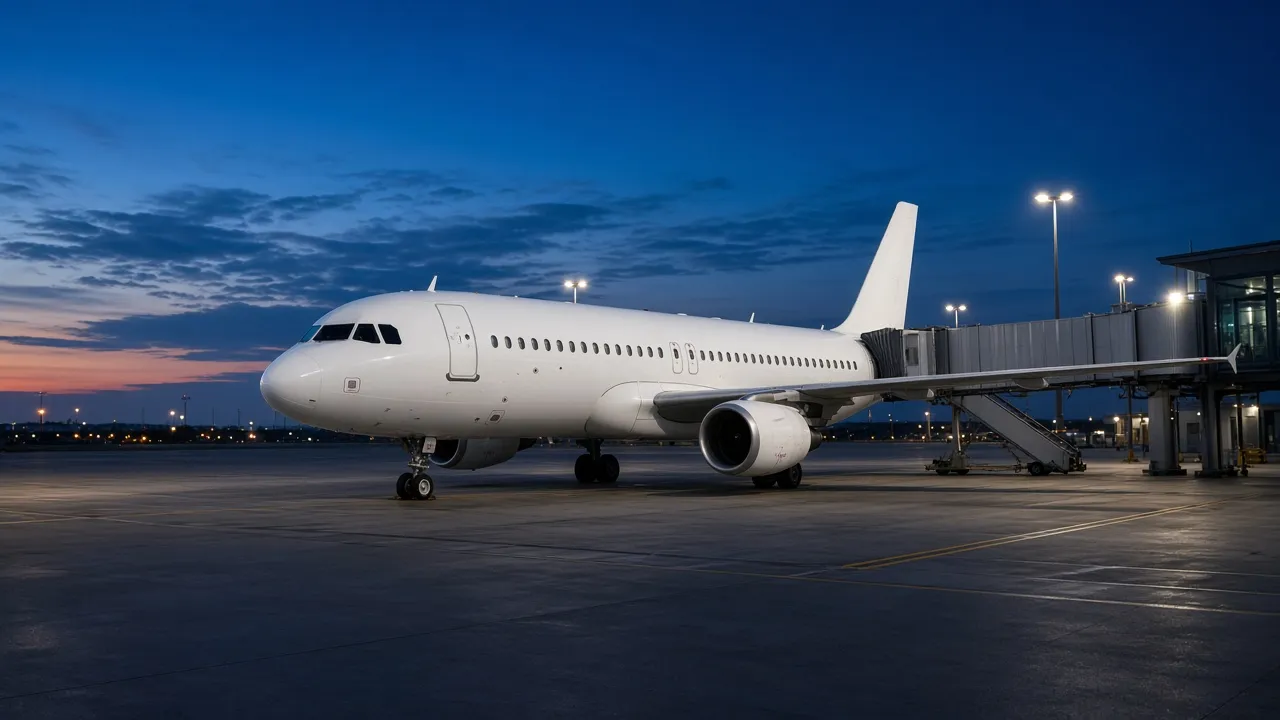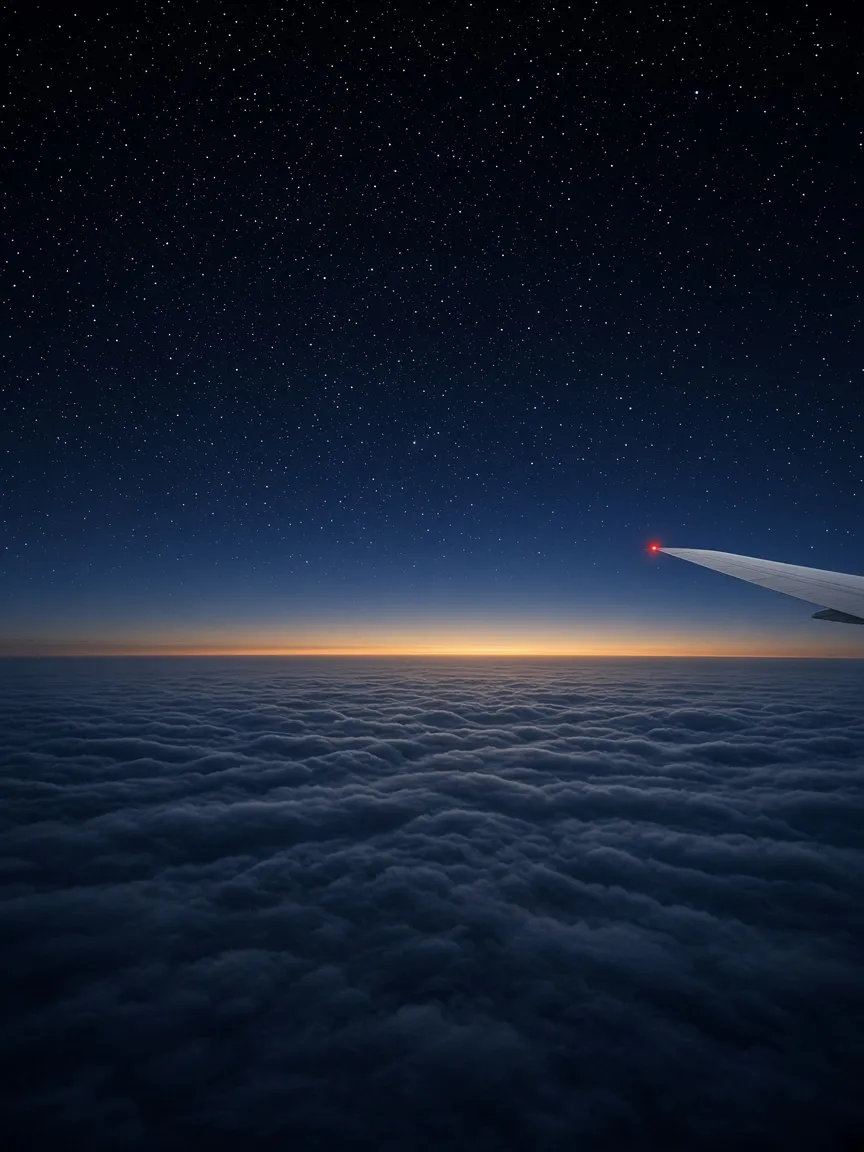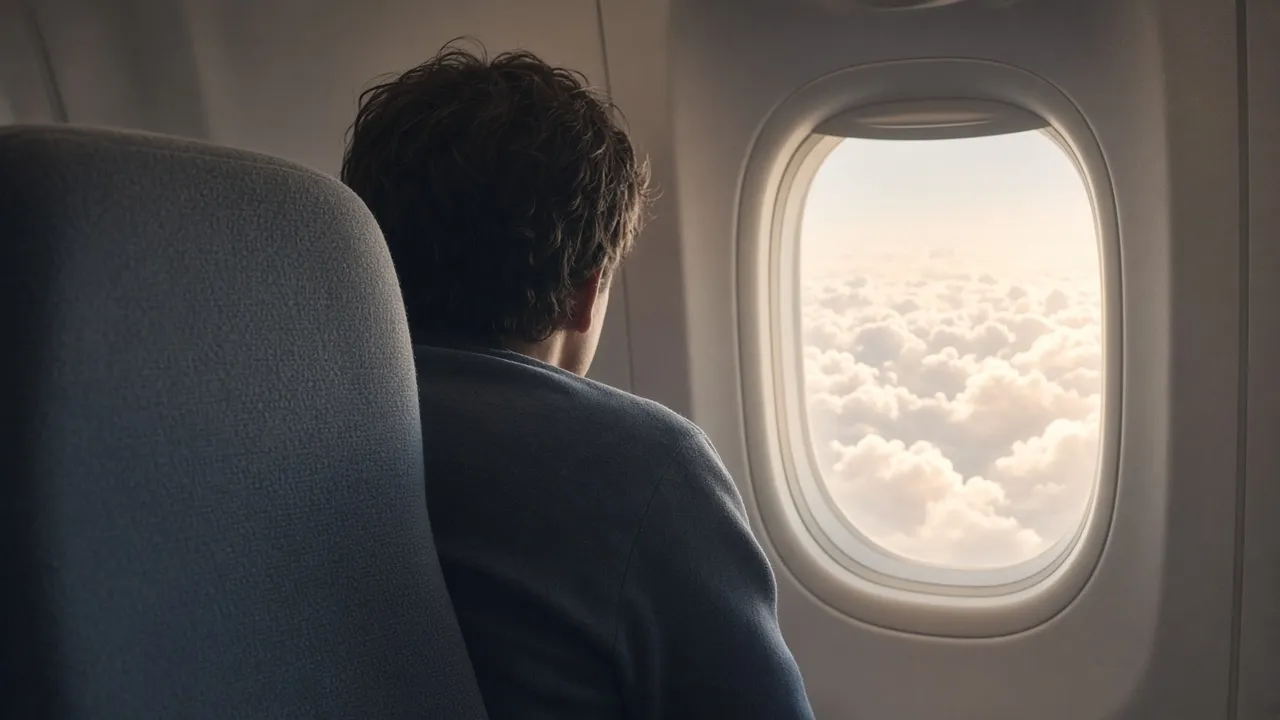
Choosing a seat might sound like a small thing, but for a nervous flyer it can make a big difference to how a flight feels. The right seat can soften turbulence, reduce claustrophobia and give you a sense of control before you even leave home.
Here's my captain's guide to picking a seat that works for you.
First, a reassurance about safety
Before we talk comfort, let me address a question I'm often asked: "Which seat is the safest?" The honest answer is that flying is so safe that this question doesn't really matter. Every seat on a modern airliner is protected by the same design standards, the same crew and the same procedures. Choose your seat for comfort and calm, not because you think one row is safer. You can read more in how safe is flying, by the numbers.
Over the wing: the smoothest ride
If turbulence is your main worry, sit over the wing. An aircraft moves around its centre of gravity, which is near the wings. Think of a seesaw: the middle barely moves, while the ends go up and down the most. Passengers over the wing feel noticeably less motion in turbulence than those at the back.
On most single-aisle jets, the over-wing rows are roughly in the middle third of the cabin. Seat maps on airline websites usually show the wing position, and sites like SeatGuru or aeroLOPA show detailed layouts.
Bonus: from a window seat over the wing, you can watch the flaps move during take-off and landing, which helps many people connect the sounds they hear with what's actually happening. See every normal noise on a plane, explained.
Front of the aircraft: quieter and quicker off
Seats near the front are quieter because you're ahead of the engines on most jets. You'll also board and get off sooner, which helps if you feel trapped by queues and crowds. The ride is a little bumpier than over the wing but much smoother than at the back.
Back of the aircraft: the bumpiest
The rear of the aircraft feels the most motion in turbulence and is usually louder because it's behind the engines. If bumps make you anxious, avoid the last rows if you can. That said, some people like the back because it's close to the galley and the crew, which can be reassuring. Know yourself.
Window or aisle?
This depends on what triggers your anxiety.
Choose a window if: - Seeing outside helps you understand what the aircraft is doing. - Watching the horizon reduces motion sickness. - You like having a wall to lean on and some privacy.
Choose an aisle if: - You feel claustrophobic or trapped. - You want to get up easily to stretch or use the toilet. - Seeing the ground far below makes you feel worse.
Many nervous flyers prefer the aisle because it gives them a feeling of space and freedom. Others find the window calming because it removes the mystery. There's no wrong answer. Try both and notice which feels better.
Exit rows: extra legroom, extra responsibility
Exit rows offer more legroom, which can reduce that cramped, trapped feeling. However, passengers in exit rows must be willing and able to help in an emergency, and the crew will brief you. If the idea of that responsibility increases your anxiety, choose a different row. If you find it empowering, it might be a good fit.
Bulkhead rows
The first row of a cabin section, facing a wall, often has more legroom and nobody reclining into you. Downsides: no under-seat storage during take-off and landing, and tray tables in the armrest. Good for people who feel hemmed in.
Seats to consider avoiding
- The very last row (bumpiest, noisiest, often doesn't recline).
- Seats right next to the toilets (constant movement and queues can be unsettling).
- Middle seats if you feel claustrophobic.
How to get the seat you want
- Book early and choose at booking. Many fares let you pick a seat, sometimes for a small fee. For an anxious flyer, it is often money well spent.
- Check in early. Online check-in usually opens 24 to 48 hours before departure. Set an alarm.
- Ask at the gate. If you didn't get a good seat, ask politely. Agents can sometimes help.
- Tell the crew. Once on board, it's fine to tell a flight attendant that you're a nervous flyer. They won't think less of you. They help nervous passengers all the time, and if there's a free seat over the wing, they may be able to move you.
Make any seat calmer
Wherever you sit, you can make your space more calming:
- Noise-cancelling headphones reduce engine drone and help you control what you hear, whether that's music, a podcast or a guided relaxation. It's the one item I recommend most to nervous flyers. See my recommended gear page for options.
- A neck pillow helps you relax physically, and a relaxed body sends calm signals to your brain.
- A downloaded playlist or film for distraction.
- Water and a snack to keep your blood sugar steady.
- A small comfort item. A familiar scarf or something that smells of home can be surprisingly grounding.
A seat-by-seat cheat sheet
| Your main worry | Best seat choice |
|---|---|
| Turbulence | Over the wing, any side |
| Claustrophobia | Aisle, ideally front or exit row |
| Noise | Front of the aircraft |
| Motion sickness | Over the wing, window, look at the horizon |
| Feeling trapped at the end | Front, aisle |
| Wanting to understand what's happening | Window over the wing |
Travelling with someone who is anxious
If you're flying with a nervous partner, child or friend, let them choose first. Give them the seat that matches their worry, and sit beside them rather than across the aisle. A calm companion is one of the most powerful tools there is. Talk about ordinary things, offer a hand during take-off, and avoid saying "there's nothing to worry about," which can feel dismissive. Try "this is a normal sound" or "the crew look relaxed" instead. Specific reassurance works better than general reassurance.
What about long-haul and widebody aircraft?
On twin-aisle aircraft, the same principles apply: over the wing is smoothest, the front is quietest. The middle block of seats can feel enclosed, so if claustrophobia is a concern, pick an aisle on the side sections. On very long flights, being near (but not next to) the toilets can be handy. For more ideas, read my guide to flying with anxiety on a long-haul flight.
The captain's bottom line
Your seat won't make you safer. Flying is already remarkably safe. But the right seat can make you feel calmer, and feeling calmer matters. Over the wing for a smoother ride, front for quiet, aisle for freedom, window for understanding. Pick the one that matches your worry, and you've already taken a step towards a better flight.
Before your trip, read how pilots handle turbulence so you'll know what's happening on the flight deck too.
Want this in your pocket?
Download my free illustrated PDF, Turbulence & Aircraft Sounds Explained by an Airline Captain, and take it on your next flight.
Get the free guideFrequently asked questions
Which seat has the least turbulence?
Seats over the wing, near the aircraft's centre of gravity, generally feel the least motion. The rear of the aircraft usually feels the most.
Is a window or aisle seat better for anxiety?
It depends on your trigger. A window helps if seeing the horizon and wing reassures you. An aisle helps if you feel claustrophobic or want to move easily.
Are some seats safer than others?
Flying is extremely safe in every seat. Choose your seat for comfort and calm, not because one section is meaningfully safer.
This article is general information, not medical or professional advice. Always follow instructions from your crew. If fear of flying seriously affects your life, please speak to a doctor or qualified therapist.