For many nervous flyers, take-off is the hardest part. The engines roar, you're pushed into your seat, the ground falls away, and a few moments later there's a thump, a change in the engine sound and maybe a turn. If you don't know what each of those things is, your mind writes its own story.
So here's take-off from where I sit, step by step. Read it before your next flight and you'll know what's coming before it comes.
Before we reach the runway
Long before you hear the engines go up, the take-off has been planned. The pilots have calculated the performance for that day: the aircraft's weight, the runway, the wind, the temperature. From that we know the right power setting and the key speeds for the take-off.
We also brief each other on what we'll do if anything unusual happens. It's a routine conversation, and we have it before every single flight. By the time we line up, both of us know exactly what we'll do in any situation.
Lining up
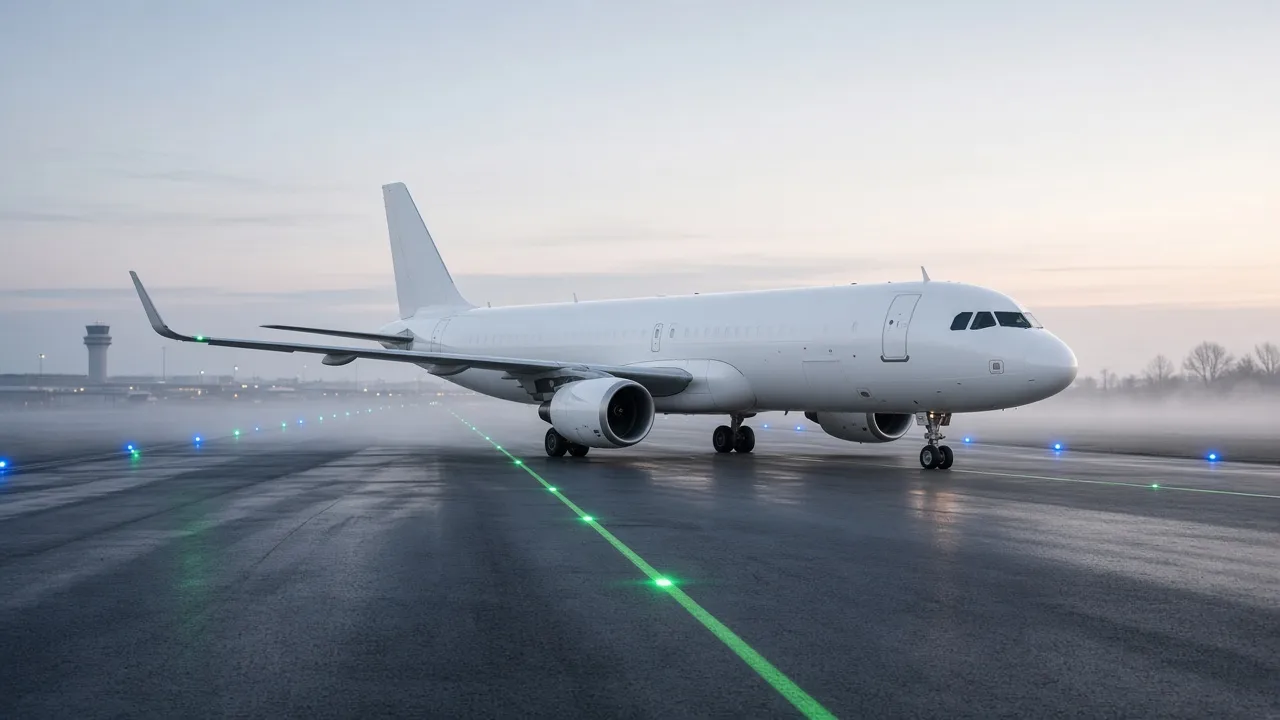
You might hear a chime and the crew being asked to take their seats. The aircraft turns onto the runway and may pause. The lights outside the aircraft change as we switch on the take-off lights. All normal.
The take-off roll
- The engines spool up. The sound rises and the aircraft may shudder slightly as power builds. Then we're rolling.
- You're pushed into your seat. This is the strongest acceleration of the flight. It's supposed to feel like that.
- Bumps and rattles. Runways have joins and lights set into the surface, and the wheels feel every one. The cabin rattles more on the ground than it does in the air.
- One pilot calls out the checks. Up front we're watching the speed and the engine readings and making standard calls to each other. You can't hear them, but they're happening.
Rotation and lift-off
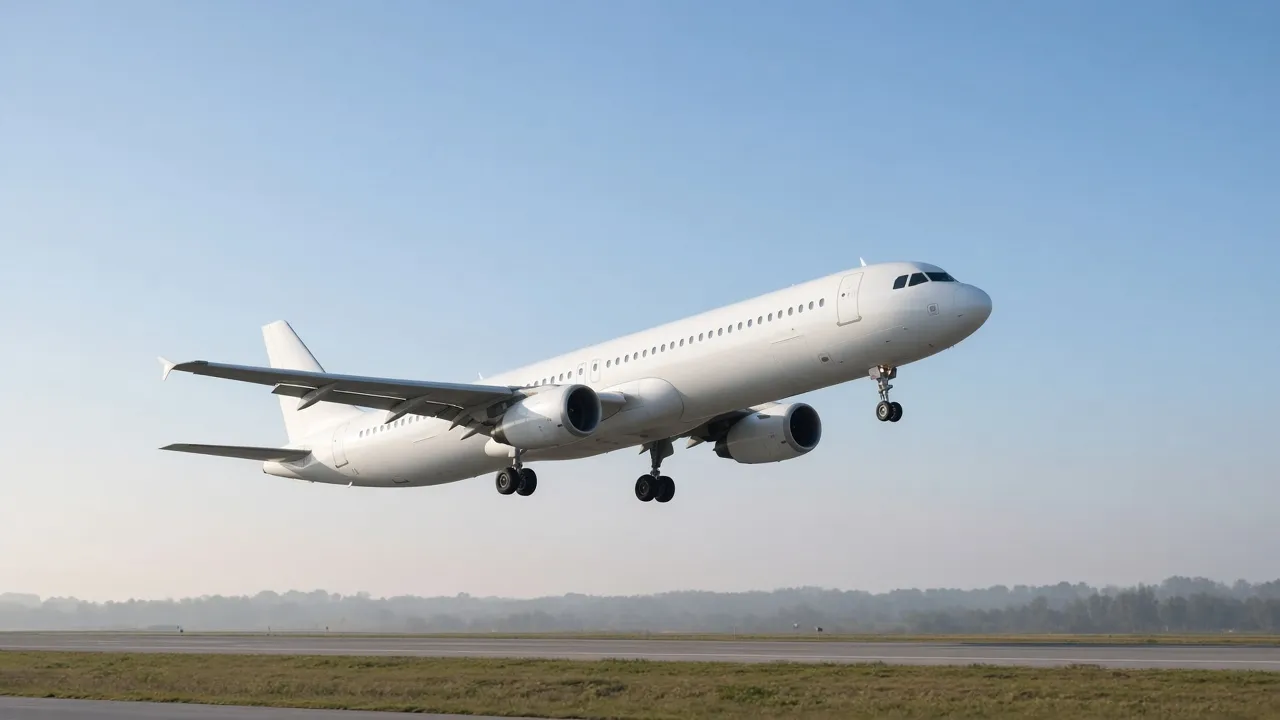
At the right speed, the pilot flying gently raises the nose. This is called rotation. A moment later the wheels leave the ground, and the bumpy ride turns smooth. Many people notice how much quieter and steadier it feels the second the wheels are off.
The thump: landing gear up
Shortly after lift-off you'll often hear a whirring and a solid thump beneath you. That's the landing gear folding into the aircraft and the doors closing. It's one of the most reassuring sounds in the flight: it means we're climbing cleanly and everything is going to plan. My A320 sounds guide has more on what you hear and when.
The quieter engines and that sinking feeling
A little later the engines get noticeably quieter. That's not an engine stopping. It's the planned reduction from take-off power to climb power, often done at a set height for noise reasons.
Next, the flaps are retracted in stages. You may see the panels at the back of the wing slide in, and you may feel a gentle sinking sensation as the wing changes shape. The aircraft is still climbing. I explain that feeling in detail in why does the plane suddenly drop?.
Turns and the climb
Departure routes are published and often include turns soon after take-off, to keep aircraft away from noise-sensitive areas or to join the route towards your destination. A turn can feel steeper than it is, especially from a window seat. It's a gentle, planned manoeuvre.
As we climb through cloud, it may get a little bumpy. That's just cloud: moving air you can see. Read why does the plane shake? if that's a worry for you.
The chime and the seatbelt sign
Eventually you'll hear a chime, and the seatbelt sign may go off. Cabin crew start moving around. It's a good moment to breathe out, but keep your belt fastened loosely whenever you're seated. It's the best habit on any flight.
"But what if something goes wrong on take-off?"
This is the question behind most take-off fear, so let me answer it directly. Pilots train for problems on take-off more than almost anything else. In the simulator we practise engine failures and other problems during the take-off roll and just after lift-off, again and again, throughout our careers.
The plan is simple. Early in the take-off, if there's a serious problem, we stop on the runway. Past a calculated decision speed, we continue the take-off, because the aircraft is certified to climb safely even with one engine out, and we deal with the problem in the air. That decision point is worked out for every take-off, and we brief it before every flight. More in what happens if an engine fails?.
How to get through take-off calmly
- Start breathing before the engines go up. In for a count of five, out for a count of five. Keep it going through the roll. My breathing techniques guide has more.
- Narrate it to yourself. "Engines up. Rolling. Bumps are the runway. Nose up. Smooth. Thump is the gear. Quieter is climb power." Knowing the next step keeps you ahead of the fear.
- Loosen your grip. Rest your hands in your lap and drop your shoulders.
- Pick your seat. Over the wing usually feels steadiest. See best seats for nervous flyers.
- Count the minutes, not the seconds. The most intense part is short. By the time the gear is up, the hardest bit is behind you.
The captain's bottom line
Take-off is noisy and powerful, but it's also one of the most carefully planned and practised parts of the flight. Every speed is calculated, every response is briefed, and every sound has a reason. Roar, push, bumps, smooth, thump, quieter: once you know the sequence, take-off stops being a mystery and becomes a routine, just like it is for us.
The Calm Flight Kit
Nine printable pages to use from the week before you fly until you land: a pre-flight week plan, airport and boarding scripts, a 5 in / 5 out breathing card, a sounds explainer and a gate-to-gate checklist.
Get the Calm Flight Kit ($12)Want this in your pocket?
Download my free illustrated PDF, Turbulence & Aircraft Sounds Explained by an Airline Captain, and take it on your next flight.
Get the free guideFrequently asked questions
Why is take-off so scary?
It's the moment of most noise, acceleration and change, all at once, and you can't see what the pilots are doing. Knowing each step in advance takes much of the surprise out of it.
What happens if something goes wrong during the take-off run?
Before every take-off the pilots brief exactly what they will do. Early in the run they can stop on the runway. Past a calculated point, they continue the take-off and deal with the problem in the air. Airliners are certified to climb safely even if an engine fails, and pilots practise this in the simulator regularly.
Why does it feel like the plane drops after take-off?
A short time after take-off the pilots reduce power from the take-off setting to the climb setting, and later they retract the flaps. Both can make the engine sound quieter or give a brief sinking feeling, but the aircraft is still climbing.
What's the loud thump after take-off?
That's usually the landing gear folding up and the doors closing behind it. It's a normal sound on every flight.
Why does the plane turn so soon after take-off?
Departures follow published routes, often to avoid noise-sensitive areas or to join the airway system. The bank can feel steep, but it's a gentle, planned turn.
This article is general information, not medical or professional advice. Always follow instructions from your crew. If fear of flying seriously affects your life, please speak to a doctor or qualified therapist.