Shaking is one of those sensations that can turn mild flight anxiety into full alarm. The overhead bins rattle, the floor vibrates, the wing tip bounces outside the window. It is natural to wonder whether something is wrong.
Almost always, it isn't. An aircraft shakes, rattles and vibrates at several normal points on every flight. Here's what each one is.
On the runway
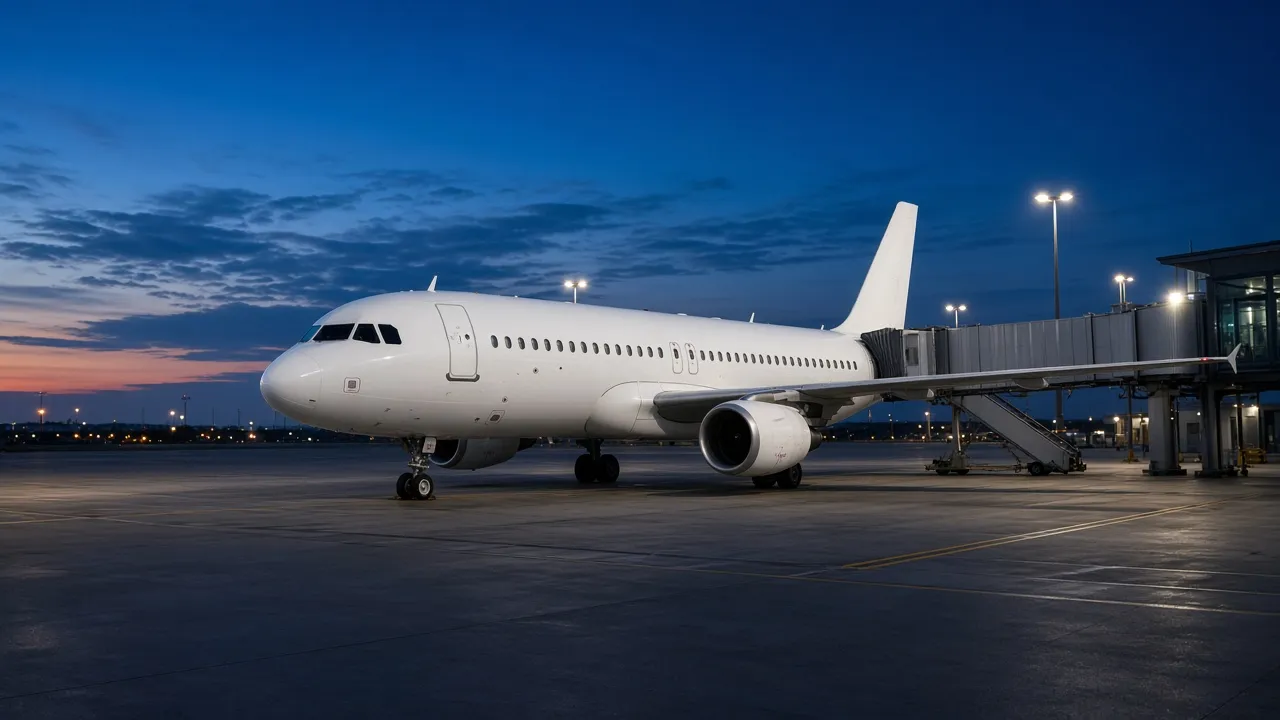
The take-off rattle. As the aircraft speeds up on the runway, the wheels roll faster and faster over joints in the concrete, centreline lights and small undulations. The whole cabin can rattle: bins, galley carts, tray tables. The heavier the aircraft and the rougher the runway, the more you notice it. The moment the wheels leave the ground, it stops.
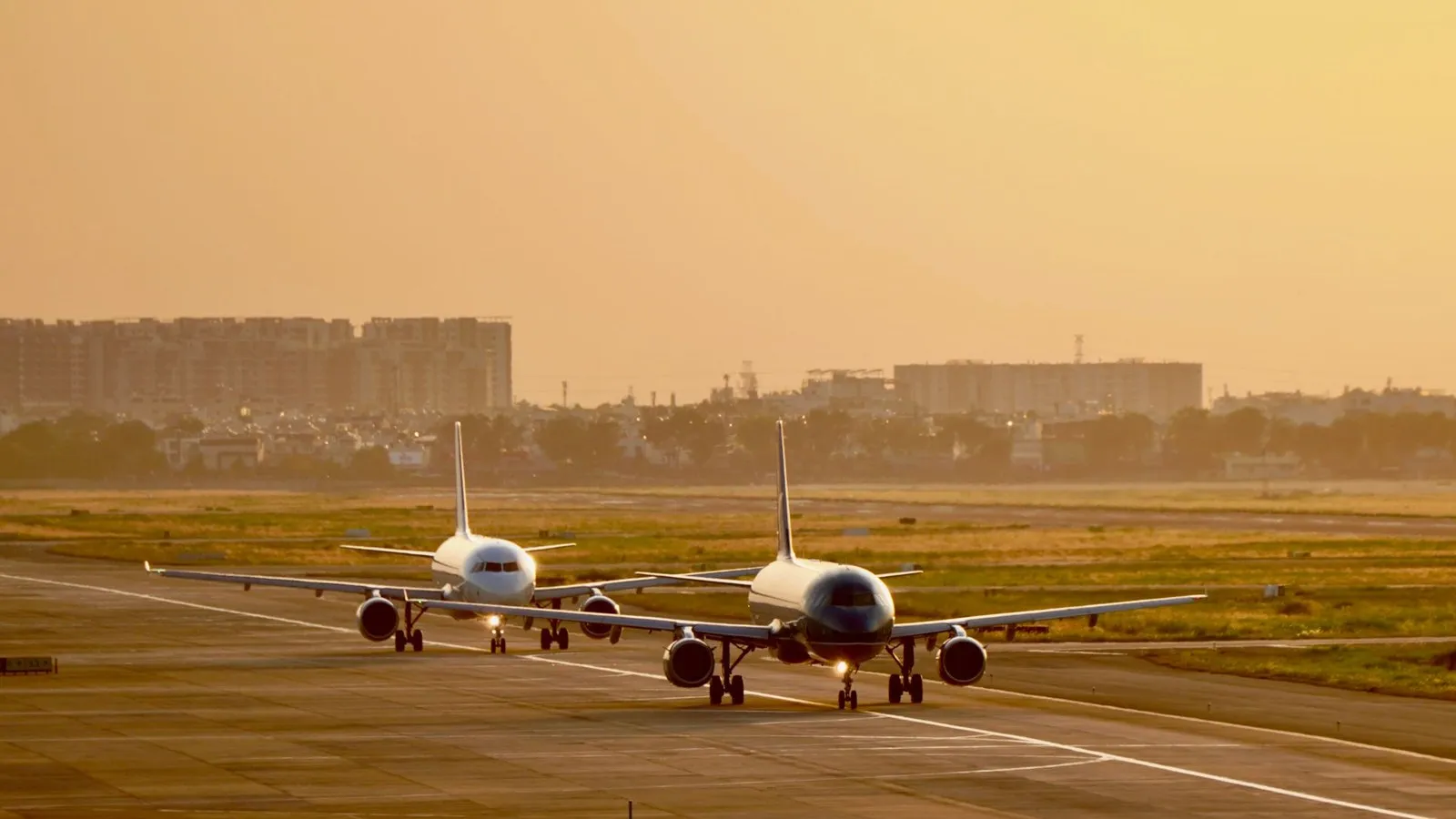
Taxi bumps. The same thing happens more slowly on taxiways. The nose wheel thumping over centreline lights creates a regular bump, bump, bump. Normal.
Just after take-off
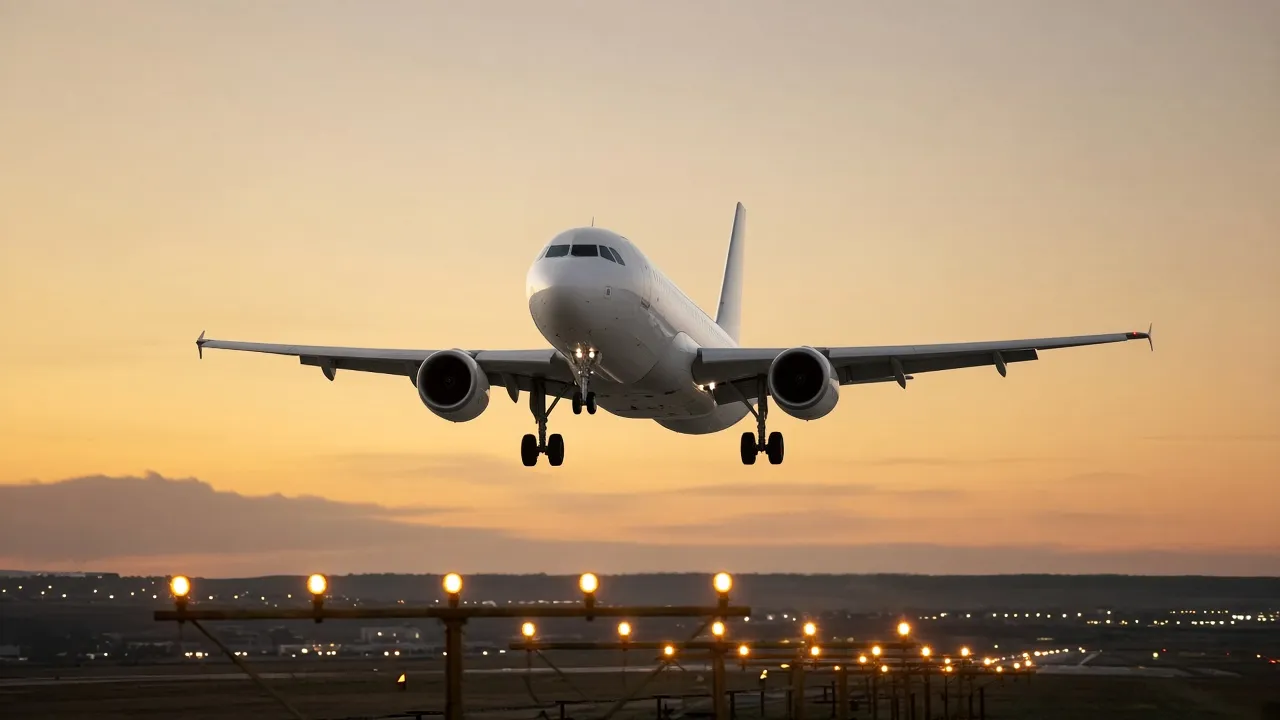
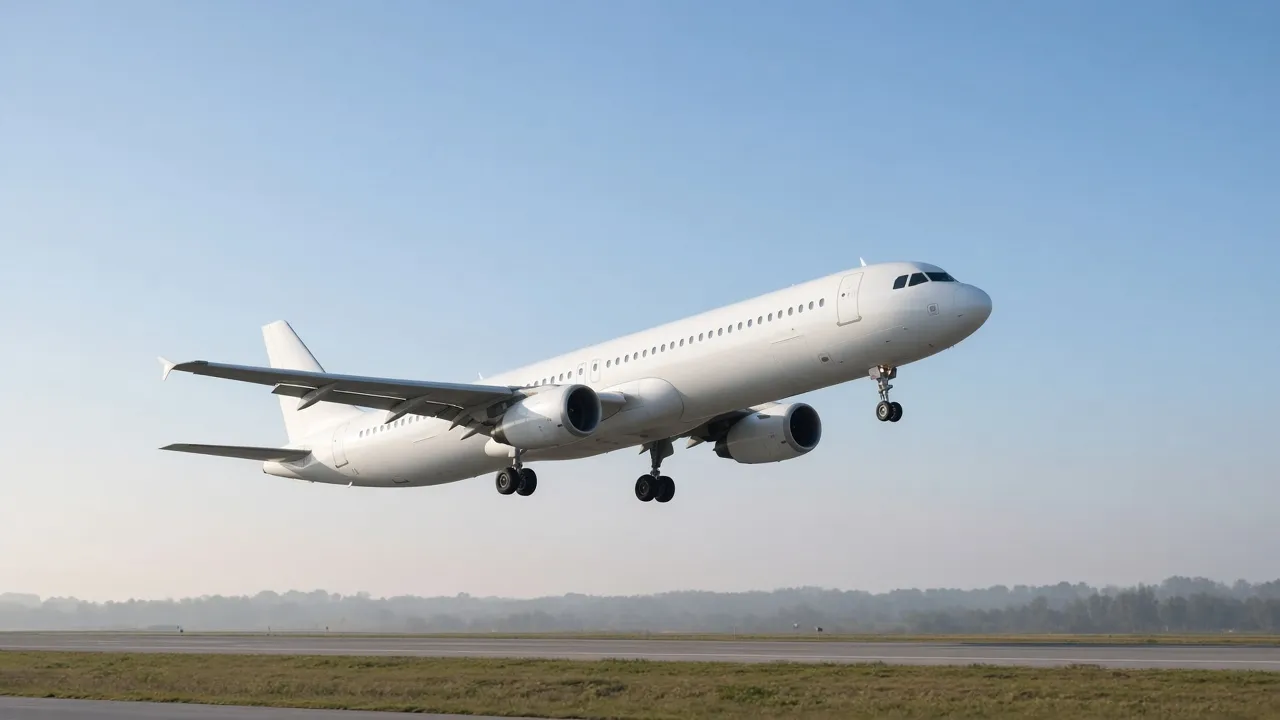
A brief shudder as the gear comes up. A few seconds after lift-off we raise the landing gear. On many aircraft, including the A320 family, the main wheels are braked automatically as they retract so they stop spinning before going into the bay. You may feel a short shudder or rumble, then a thud as the gear doors close.
Light bumps in the first minutes. Close to the ground, especially on warm or windy days, the air is often stirred up by the sun heating the ground and by wind flowing over buildings and hills. That gives a light, choppy ride in the climb that usually smooths out higher up.
In cruise
Light turbulence. The most common shaking in cruise is turbulence: air moving unevenly, like small waves on a lake. You may feel a light, rapid vibration or a gentle rocking. On the flight deck we expect it, we plan around the worst of it, and we keep the seatbelt sign on when needed. If bumps are your main worry, read is turbulence dangerous?.
Wing flex. If you can see the wing tip moving up and down, that is the wing doing exactly what it was designed to do. Airliner wings are built to flex. A wing that bends absorbs energy, like a car's suspension, so less of the bump reaches you.
In descent and on approach
A rumble and buffet from the wings. When we need to slow down or descend more steeply, we raise the speedbrakes, panels on top of each wing. They disturb the airflow and create a light buffeting you can feel through the floor. Put them away and it stops.
More noise and vibration as the gear and flaps come out. The landing gear and flaps stick out into the airflow, so the ride gets a little noisier and busier on final approach. The engines may also adjust power in small steps to hold speed.
After landing
The rattle again. On the landing roll, the wheels are back on the runway and the cabin rattles while we slow down. Reverse thrust adds a roar. It all fades as we reach taxi speed.
I've listed every one of these in flight order, with the A320's sounds alongside, in my A320 "what's that sound?" guide.
When to tell the crew
Pilots don't rely on feel to judge the aircraft's health; the aircraft monitors its own systems continuously. But crew always want to know if something worries you. If you notice a vibration that seems unusual, or anything that troubles you, press the call button and ask. You'll almost always get a calm, simple explanation.
What helps in the moment
- Name it: "runway rattle", "gear coming up", "speedbrakes".
- Breathe slowly: in for a count of five, out for a count of five.
- Let your body move with the aircraft instead of bracing against it. Tension makes vibration feel bigger.
The captain's bottom line
Shaking on a flight is mostly wheels on a runway, gear and flaps moving, speedbrakes working, and air that isn't perfectly smooth. Each one is expected, and each one passes. For a printable list of every normal sound and sensation, get my free guide.
Want this in your pocket?
Download my free illustrated PDF, Turbulence & Aircraft Sounds Explained by an Airline Captain, and take it on your next flight.
Get the free guideFrequently asked questions
Is it normal for a plane to shake on take-off?
Yes. At take-off speed the wheels roll quickly over joints, lights and small bumps in the runway, and the overhead bins and fittings rattle. It stops the moment the wheels leave the ground.
Why does the plane vibrate during descent?
Usually because the pilots are using the speedbrakes, panels on top of the wings that disturb the airflow to help the aircraft slow down or descend. You feel a light buffeting and hear a rumble until they are put away.
Should I worry if the wings wobble?
No. Wings are designed to flex, like the suspension on a car. A wing that bends a little absorbs bumps instead of passing them all into the cabin.
This article is general information, not medical or professional advice. Always follow instructions from your crew. If fear of flying seriously affects your life, please speak to a doctor or qualified therapist.