You've boarded, the doors are closed, and suddenly there's a whiff of fuel or exhaust in the cabin. If you live with flight anxiety, your mind may jump straight to "something is leaking".
It is a very common experience, and in nearly every case there's a simple, harmless explanation. Here's where the smell comes from, and when it's worth mentioning.
Where your cabin air comes from
On most jets, the fresh air in the cabin comes from outside. In flight it is taken from the engines, and on the ground often from the APU, the small engine in the tail. It is then cooled and conditioned by the air conditioning packs before it reaches your vents. This system is routine and constantly monitored.
Because the air comes from outside, on the ground it can briefly carry whatever is in the air around the aircraft.
The usual causes
Engine start. When a jet engine starts, a small amount of fuel vapour can be present before the engine settles into a clean, steady burn. On some starts, a hint of it reaches the cabin for a moment. On the A320, the packs pause during engine start and the air flow comes back afterwards, which is often when people notice the smell.
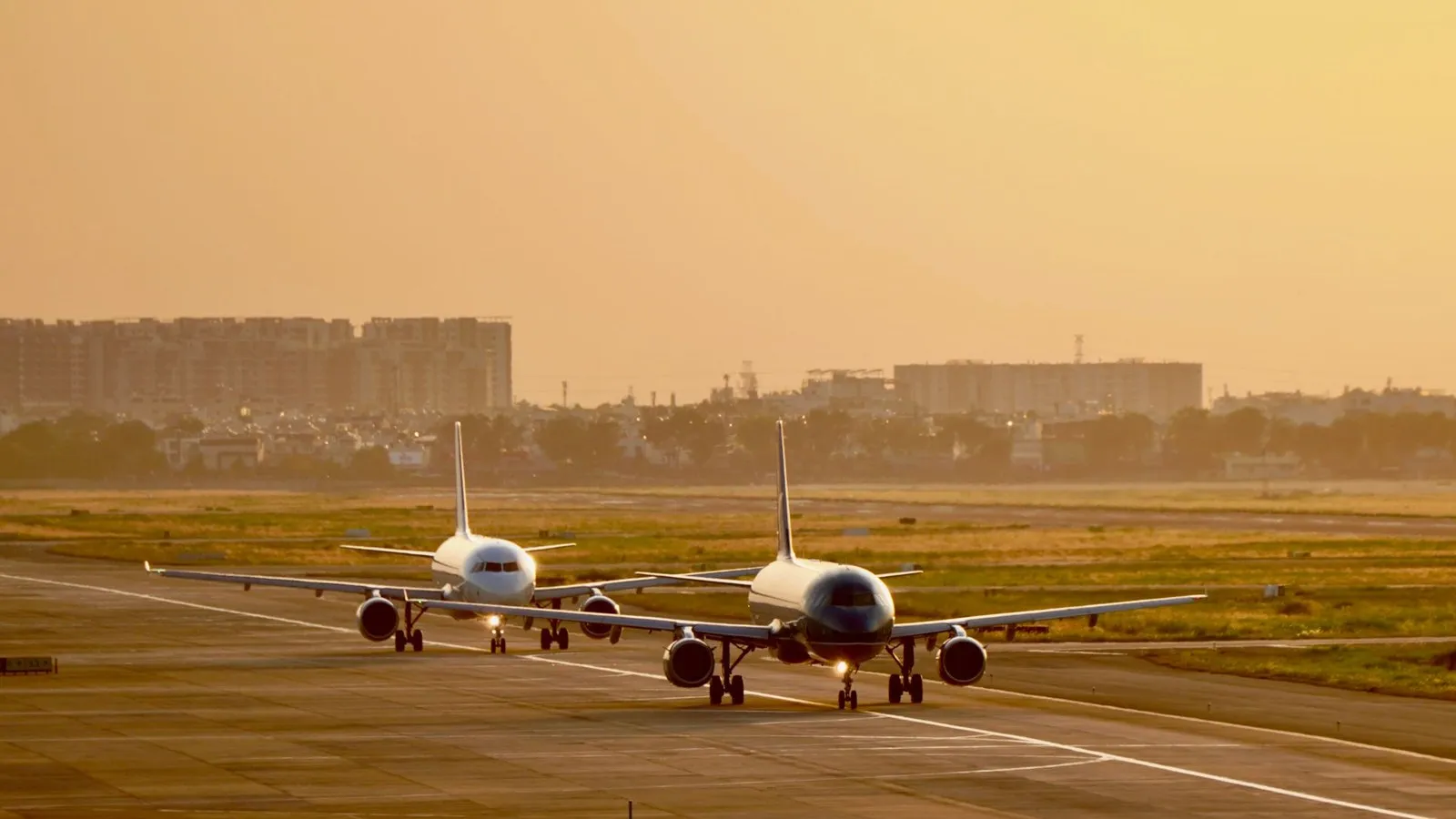
Other aircraft nearby. In a queue for the runway, you are often directly behind another aircraft's engines. Their exhaust can be drawn into your air supply. Cold, still mornings make this more noticeable, because the exhaust hangs around.
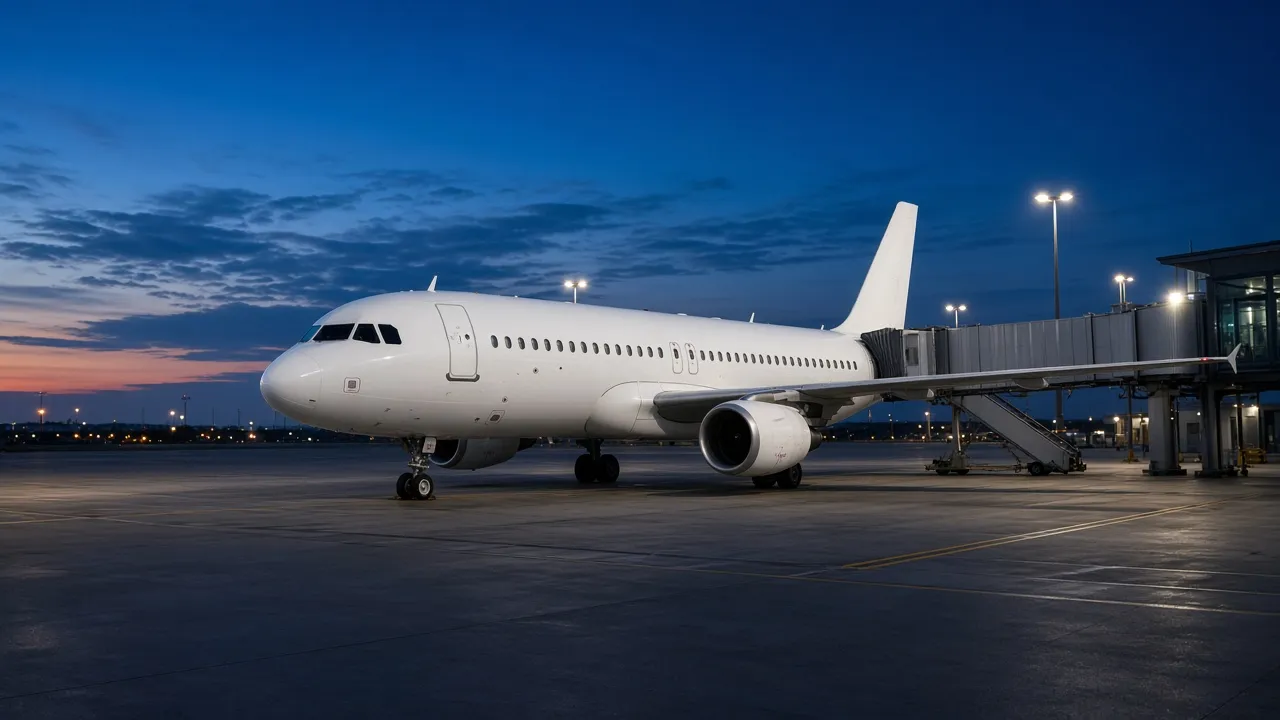
The APU. At the gate the APU is running in the tail. If the wind is blowing the wrong way, its exhaust can drift around the aircraft and into the air supply.
Refuelling and the apron. Airports smell of jet fuel. Refuelling, ground vehicles and other aircraft all add to it, especially around the gate.
In almost every case the smell is short and fades within minutes once the engines are running smoothly and the air conditioning is supplying a steady flow.
When to tell the crew
The crew would always rather you mention something than sit and worry. Tell a cabin crew member straight away if:
- the smell is strong or lasts more than a few minutes,
- it smells like burning, smoke or electrical burning,
- you see haze or smoke, or
- you feel unwell, dizzy or short of breath.
They take every report seriously. They can talk to the pilots, check the cabin and let you know what's going on. That's part of their training, and it is never a nuisance.
Calming the moment
If a brief fuel smell sets off your anxiety:
- Label it: "engine start" or "the aircraft in front".
- Give it two or three minutes. Notice it fade as the air settles.
- Breathe slowly: in for a count of five, out for a count of five.
- Ask if you're unsure. A simple question to the crew often brings the quickest calm.
For the full list of what you'll hear and feel from boarding to take-off, see my A320 sounds and sensations guide, or the general version, every normal plane noise, gate to gate.
The captain's bottom line
A brief smell of fuel or exhaust on the ground is usually engine start, the aircraft ahead, or the APU, drawn in with outside air. It fades quickly. If it's strong, lasts, smells like burning, or you feel unwell, tell the crew. And keep my free guide in your bag for the other surprises on flight day.
Want this in your pocket?
Download my free illustrated PDF, Turbulence & Aircraft Sounds Explained by an Airline Captain, and take it on your next flight.
Get the free guideFrequently asked questions
Is it normal to smell fuel on a plane before take-off?
A brief smell of fuel or exhaust on the ground is common. It usually comes from engine start, from other aircraft nearby, or from the APU, and it fades within minutes once the air conditioning settles.
Why does the smell come through the air vents?
The cabin air supply on most jets is drawn from outside via the engines or APU and cooled by the air conditioning packs. On the ground, especially in a queue behind other aircraft, a little exhaust or fuel vapour from outside can be drawn in.
When should I tell the crew about a smell?
If a smell is strong, lasts, smells like burning or smoke, or you feel unwell, tell the cabin crew straight away. They take every report seriously and will check.
This article is general information, not medical or professional advice. Always follow instructions from your crew. If fear of flying seriously affects your life, please speak to a doctor or qualified therapist.