Thump. The overhead bins rattle, your coffee cup jumps, someone gasps. Some passengers even clap with relief. A firm landing can make anyone with flight anxiety wonder if something went wrong.
Usually, nothing did. In fact, many firm landings are exactly what the pilot intended.
A firm landing is often the right landing
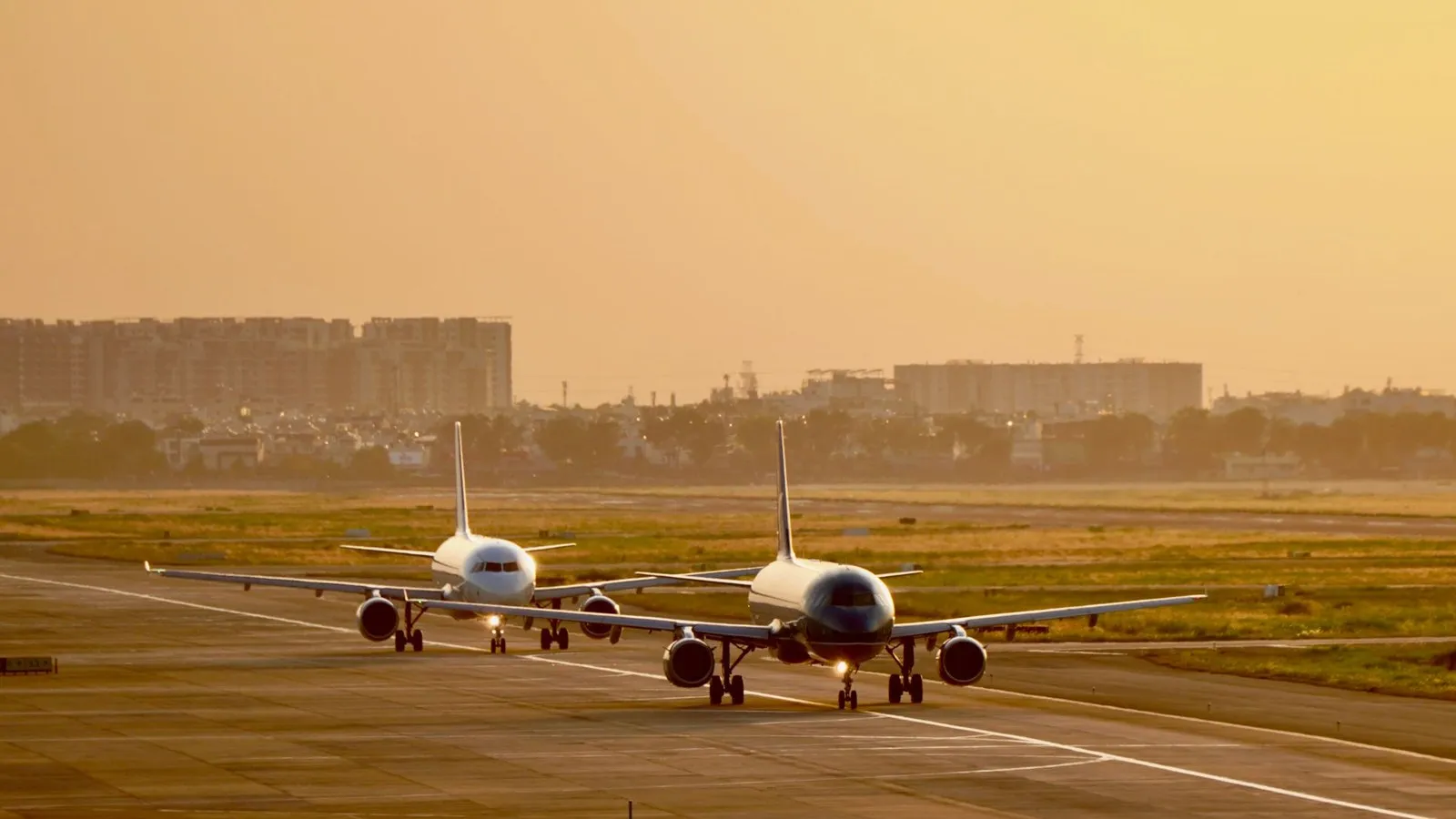
Passengers judge a landing by how soft it feels. Pilots judge it by whether the aircraft touched down in the right place, at the right speed, firmly enough for the wheels to grip.
On a wet runway, a very soft "greaser" can let a thin layer of water stay under the tyres for a moment, which reduces grip. A positive, firm touchdown pushes through the water so the tyres and brakes start working straight away. On shorter runways, we also want the aircraft firmly on the ground early rather than floating down the runway.
So a firm thump on a rainy day is often a sign of good technique, not bad.
Why the touchdown feels firm
- Gusty wind. Gusts near the ground can change the aircraft's height by a small amount just before touchdown.
- Weight. A heavier aircraft carries more energy onto the runway.
- Ground spoilers. At touchdown, panels on top of the wings pop up automatically and stop the wings producing lift. That puts the aircraft's weight firmly on the wheels so the brakes work well. You feel it settle.
- Your seat. Seats at the back feel landings more, just as they feel turbulence more.
What a small bounce is
Occasionally the aircraft touches down with a little extra energy, or a gust lifts it slightly, and it bounces a short way before settling back. It feels odd, but it's a known situation that pilots train for, and in most cases the aircraft simply settles back onto the runway. If the pilots aren't happy with the touchdown, they can also choose to go around and land again. I explain that in what is a go-around?.
Built for much more than you feel
Landing gear is one of the strongest parts of an aircraft. It is designed and tested to absorb touchdowns far firmer than anything you'll feel on a normal flight. The oleo struts, big shock absorbers filled with oil and gas, soak up the impact. What feels like a jolt in the cabin is well within what the gear is built to take.
The sounds after touchdown
Straight after a firm landing you'll often hear the roar of reverse thrust and feel the brakes. On the A320 family, you may also hear the hydraulic "barking dog" later during taxi. I explain all of these in my A320 sounds and sensations guide.
Calming yourself on landing
- Expect a firm touch on wet days and tell yourself: "That's the grip I want."
- Keep breathing: in for a count of five, out for a count of five through the final approach.
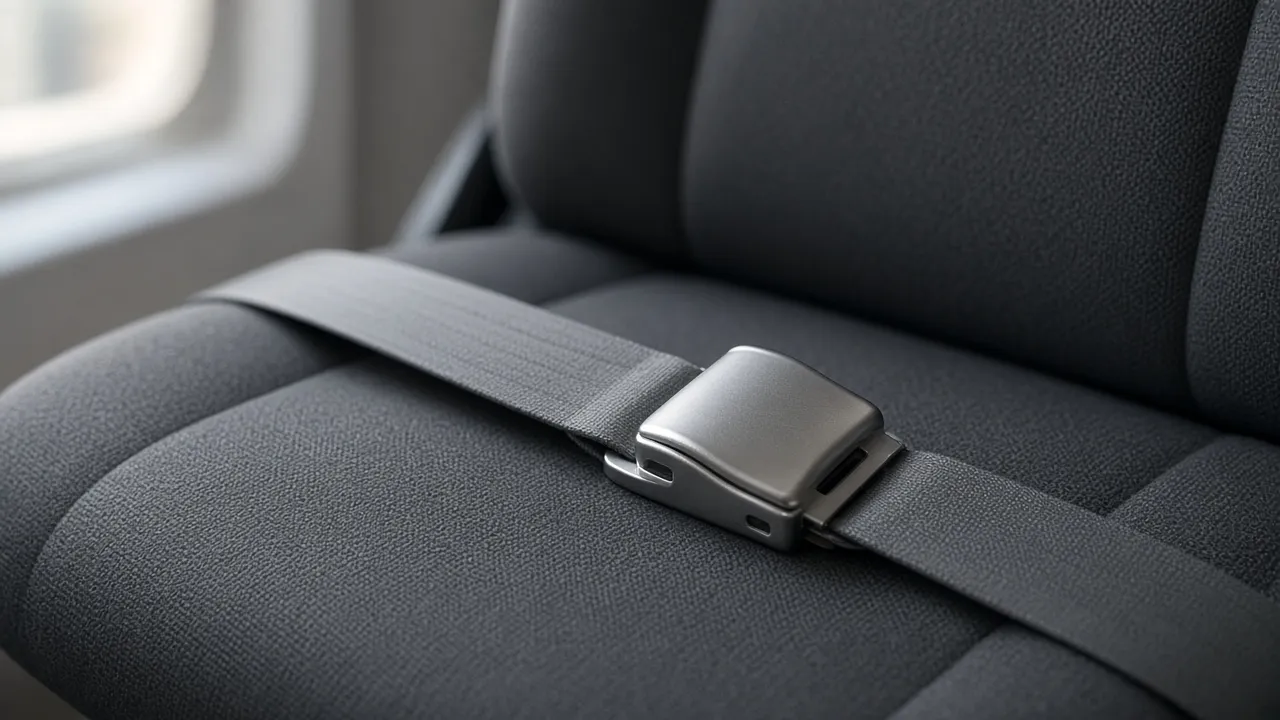
- Keep your belt fastened until the seatbelt sign goes off at the gate.
The captain's bottom line
A firm landing is usually a deliberate, safe touchdown, especially on wet or shorter runways. A small bounce is something pilots train for, and landing gear is built for far more. Want the whole flight explained in one place? Download my free guide.
Want this in your pocket?
Download my free illustrated PDF, Turbulence & Aircraft Sounds Explained by an Airline Captain, and take it on your next flight.
Get the free guideFrequently asked questions
Is a hard landing dangerous?
A firm landing is normal and often deliberate. Landing gear is designed and tested for touchdowns far firmer than anything you'll feel on a normal flight, and pilots aim for a firm touchdown on wet or shorter runways.
Is it normal for a plane to bounce on landing?
A small bounce happens occasionally, usually from a gust or the aircraft touching down with a little extra energy. Pilots are trained to handle it smoothly, and the aircraft simply settles back onto the runway.
Why do some pilots land softly and others firmly?
Conditions change every landing: wind, runway length, whether the runway is wet, and the weight of the aircraft. A soft landing isn't always the best landing. The goal is to touch down in the right place at the right speed.
This article is general information, not medical or professional advice. Always follow instructions from your crew. If fear of flying seriously affects your life, please speak to a doctor or qualified therapist.