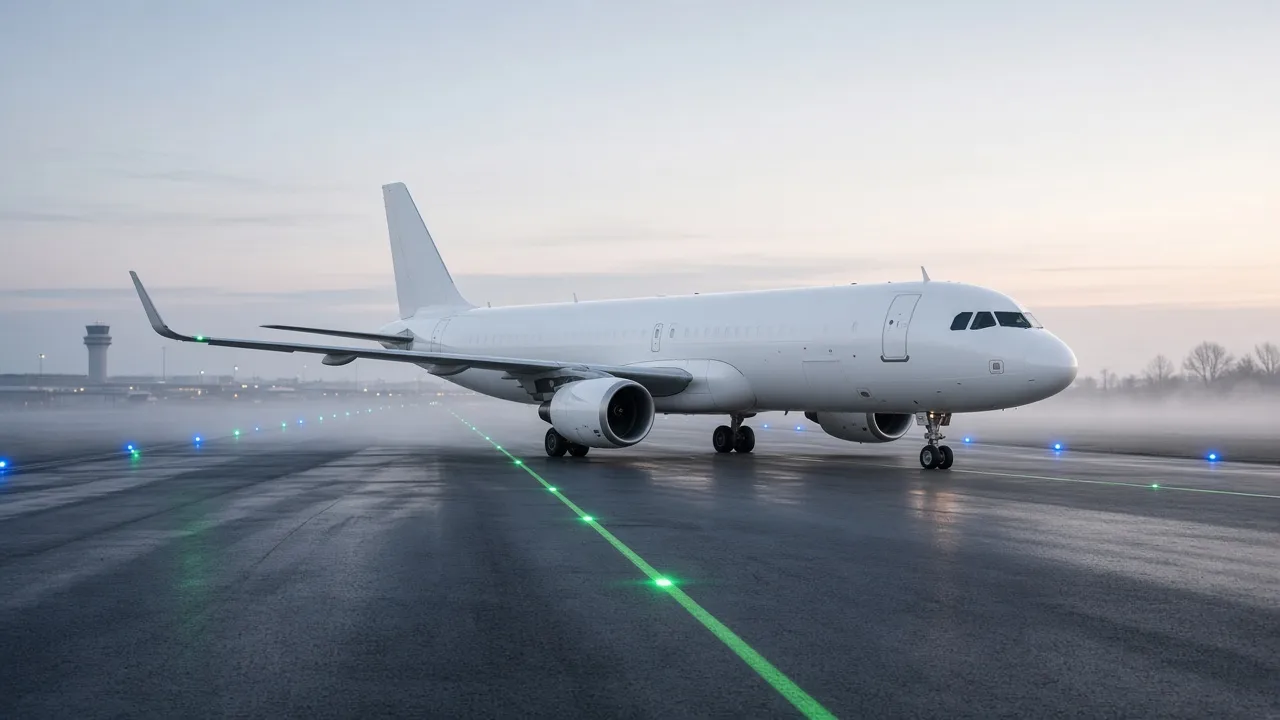
Every winter I see the same worried messages. "We've been sitting at the gate for ages and now a truck is spraying the wings. Is something wrong?" Nothing is wrong. You are watching one of the most careful routines in aviation.
Let me walk you through winter flying the way I'd explain it if you were sitting on the jump seat.
The one rule behind it all
The wing works because air flows smoothly over its shape. Frost, ice or snow stuck to the wing roughens that surface and changes the shape the air sees. So the rule is simple and strict: an airliner does not take off with frost, ice or snow adhering to its wings, control surfaces or other critical surfaces.
This isn't left to anyone's mood on the day. In the United States it is written into the operating rules for airlines (>14 CFR 121.629), and other regulators have equivalent requirements. Transport Canada's safety guidance puts it plainly: it is crucial that all critical surfaces are free of contamination before take-off (>Transport Canada).
The whole de-icing routine exists to make sure that rule is met, every time.
What de-icing actually is
If the aircraft needs it, de-icing usually happens in one or two steps:
- De-icing. A heated fluid is sprayed to melt and wash away snow, ice and frost.
- Anti-icing. If it's still snowing or freezing precipitation is falling, a thicker fluid may be applied. It stays on the wing for a while and stops new snow from sticking to the aircraft surface.
That second fluid is designed to flow off the wing during the take-off run, taking the snow with it. You may see it streaming off the wing as we accelerate. That is the fluid doing its job.
You might also notice a smell in the cabin during or just after spraying, or the air conditioning being switched off for a few minutes. Both are normal parts of the procedure.
Why the wait can feel so long
Winter delays are frustrating, and when you're anxious, every minute feels heavy. Here's what's usually happening:
- Queueing for the de-icing pad or truck. On a snowy morning every departing aircraft needs treatment, and there are only so many trucks.
- Treating a large aircraft takes time. Both wings, the tail and sometimes the fuselage need covering properly.
- Clearing runways and taxiways. Airports plough and treat runways and taxiways, which can mean fewer runways open for a while.
- Spacing in poor visibility. In heavy snow, traffic may be spaced out more.
None of this means the flight is risky. It means the system is slowing down to do things properly.
The clock the pilots are watching
Anti-icing fluid doesn't protect forever. How long it works depends on the type of fluid and on the weather at the time, and pilots use approved tables or apps to work out that window. It's called the holdover time.
Up front, both pilots note the time the treatment started and keep an eye on the weather. If the window runs out before we take off, the procedure is to check the wings or go back for another treatment. As a passenger that may feel like "starting all over again". From the flight deck it's just the next step of a routine we follow every winter.
"But they didn't de-ice us, and it was freezing!"
This one worries a lot of people. Cold air on its own is not a problem. De-icing is needed when there is something on the aircraft to remove, such as frost after a cold night, snow or ice, or when snow or freezing precipitation is falling. If the aircraft is clean and the air is dry, there's nothing to spray. The crew and ground engineers check the aircraft before departure and decide based on what's actually there.
Snow on the runway
Airports that see regular snow are very good at clearing it. When the runway isn't fully clear, its condition is reported to the pilots, and we take it into account in our take-off and landing calculations. If the conditions don't work for our aircraft on that runway, we wait, or we go somewhere they do. That's a normal part of winter planning.
Once you're in the air
Snow falling in the air isn't a problem for the aircraft. Airliners have ice protection systems for the parts that matter in flight, such as the engine inlets and, on many types, the wings, and pilots switch them on according to procedures when conditions call for it. Climbing out of winter weather into the sunshine above the cloud is one of my favourite parts of the job.
How to stay calm on a winter flight
- Expect a delay and plan for it. Bring water, a snack, something to read or watch, and allow extra time for connections.
- Reframe the truck. The spray means people are making sure the wing is clean. It is a safety step you can see.
- Breathe slowly while you wait. In for a count of five, out for a count of five. My breathing techniques guide has more.
- Know the sounds. Engines may be run differently, and the air conditioning may be off during spraying. My airplane noises guide explains what you'll hear.
- Listen to the PA. "We're waiting for de-icing" is information, not a warning. Here's what the pilot's announcements actually mean.
Flying over the holidays? My Thanksgiving and holiday travel guide covers busy airports and timing. And if poor visibility is your worry, read can planes land in fog?.
The captain's bottom line
Winter flying is slower, not more dangerous. The rule is simple: the wing must be clean. De-icing, the holdover clock and the long wait at the pad are all there to make sure it is. When you see that truck spraying the wings, you're watching the system work exactly as it should.
Want this in your pocket?
Download my free illustrated PDF, Turbulence & Aircraft Sounds Explained by an Airline Captain, and take it on your next flight.
Get the free guideFrequently asked questions
Is it safe to fly when it's snowing?
Yes. Snow mostly causes delays, not danger. The rules are strict: an airliner may not take off with frost, ice or snow stuck to its wings or other critical surfaces, so crews and ground teams make sure the aircraft is clean before every winter departure.
Why didn't they de-ice my plane when it was freezing outside?
Cold weather alone doesn't mean an aircraft needs de-icing. It's needed when there is frost, ice or snow on the aircraft, or when it's snowing or freezing precipitation is falling. If the aircraft is clean and the weather is dry, there's nothing to remove.
What is the coloured liquid they spray on the wings?
Usually two fluids. A heated fluid removes snow and ice, then a thicker anti-icing fluid may be applied to stop new snow sticking for a while. The colours help ground crew see where the fluid has gone.
What happens if we wait too long after de-icing?
Pilots track how long the fluid protects the aircraft in the current weather, which is called the holdover time. If that time runs out before take-off, the procedure is to check the wings or go back for another treatment. It's routine, and it can mean a longer wait.
Is snow dangerous once the plane is in the air?
Snow falling in the air is not a problem for the aircraft. Ice protection systems keep the important parts, such as the engine inlets and, on many aircraft, the wings, clear while flying.
This article is general information, not medical or professional advice. Always follow instructions from your crew. If fear of flying seriously affects your life, please speak to a doctor or qualified therapist.