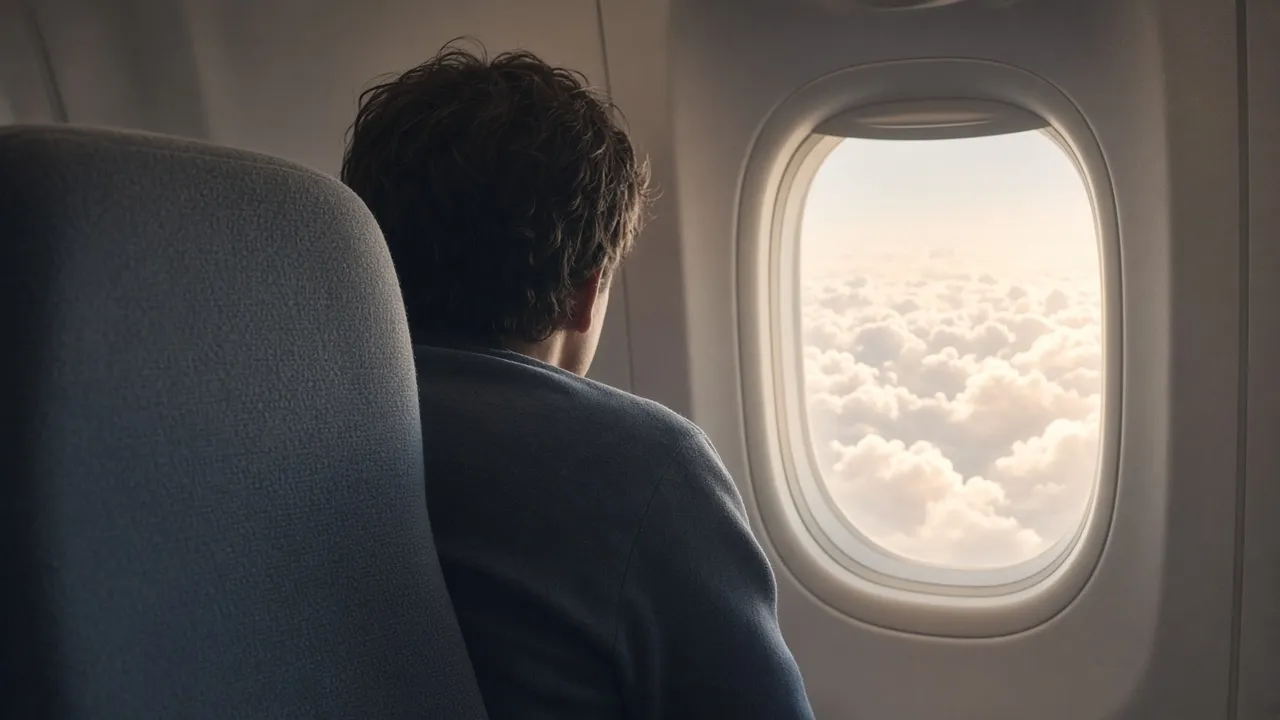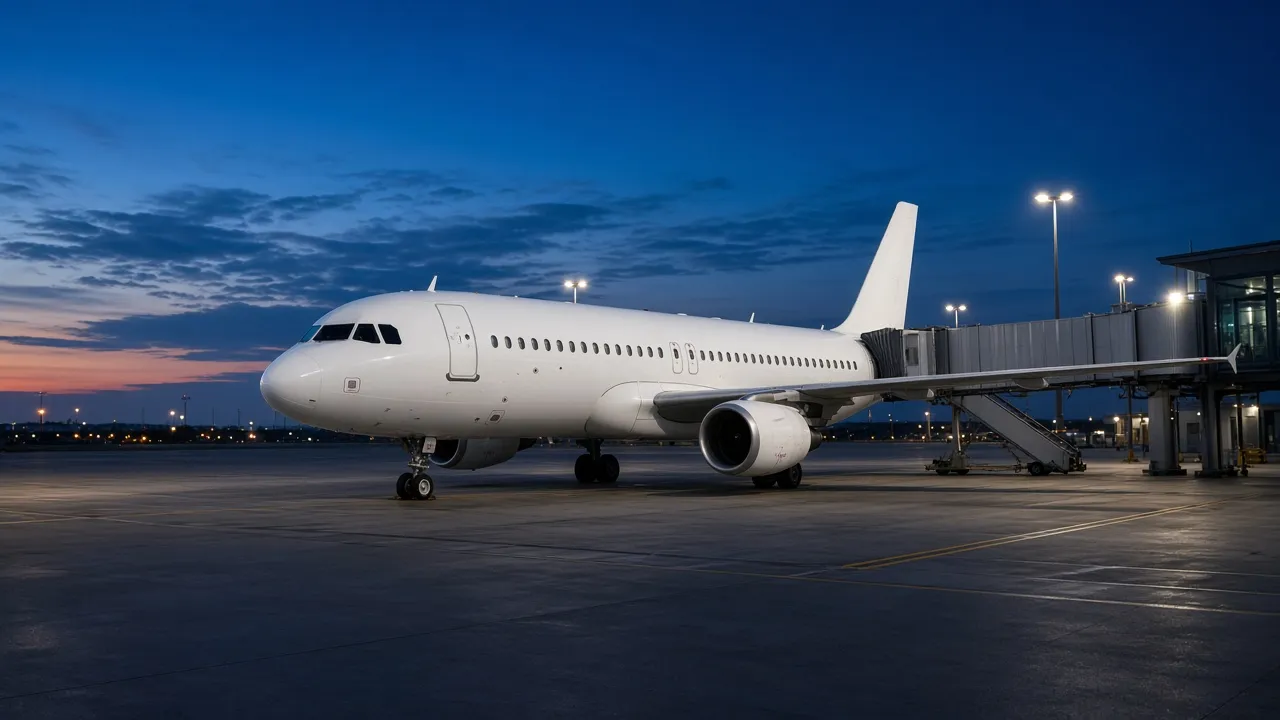
For many nervous flyers, the hardest part of flying isn't the flight. It's the days before it. The booking confirmation arrives and the worry starts: lying awake, picturing the take-off, checking the weather forecast again and again.
I've been flying airliners since 2003, and I've met many passengers who told me the anticipation was worse than anything that happened on board. That makes sense. While you wait, your mind fills the gaps with "what ifs". Here's a calm plan that gives it something better to do.
Why the waiting feels so hard
Anxiety likes uncertainty. When you don't know exactly what will happen on flight day, your brain tries to prepare by imagining every possible problem. The more you understand about the flight, the fewer gaps there are to fill.
That's why learning how flying works helps. When you know what a normal aircraft sound is, or why turbulence isn't dangerous, there is less unknown left to worry about.
The week before: replace "what if" with "what is"
- Learn one thing a day. Read one short article about the part of flying that worries you most. Start with how safe flying really is or what pilots do in turbulence.
- Write your worries down. Turn each one into a question, then find the answer. "What's that noise after take-off?" is something you can look up. A vague sense of dread isn't.
- Practise your breathing now, not on the plane. Breathe in for a count of five and out for a count of five, for a few minutes a day. It's much easier to use a skill you've already rehearsed.
- Limit doom-scrolling. Dramatic videos and headlines are designed to grab attention, not to explain. Choose calm, factual sources instead.
The night before: keep it boring
- Pack, lay out your passport and documents, and check in online.
- Decide what time you'll leave for the airport and give yourself plenty of margin. Rushing feeds anxiety.
- Download things to watch or listen to on the flight.
- Do something ordinary: cook, walk, watch something familiar. If you can't sleep, try a few rounds of five-in, five-out breathing and remind yourself that rest still counts even if sleep is light.
At the airport: give your mind small jobs
- Arrive early so security and boarding never feel rushed.
- Watch the aircraft. Notice how many take off and land while you wait. This is a normal day at work for everyone around you.
- Eat something light and go easy on caffeine, which can make a racing heart feel faster.
- Read your notes or my free guide at the gate so the sounds and sensations are fresh in your mind.
At the boarding door
- Say hello to the crew and, if you like, tell them you're a nervous flyer. Crews hear this often.
- Settle in your seat and do a few rounds of five-in, five-out breathing while others board.
- Know what's next. Pushback, engine start, taxi and take-off each have their own sounds. My A320 sounds guide walks through them in order.
When anxiety spikes anyway
That's okay. Feeling nervous doesn't mean something is wrong with the flight. It's a feeling, and it will rise and fall. Name it ("this is anxiety, not danger"), breathe five in and five out, and focus on something you can see or touch. My breathing techniques guide has more detail.
The captain's bottom line
The waiting is often the hardest part. A simple plan for each stage of the countdown gives your mind useful jobs instead of "what ifs". If you'd like a structured version with audio sessions and a 72-hour flight-day plan, join the course waitlist. And for something to read at the gate, get my free guide.
Want this in your pocket?
Download my free illustrated PDF, Turbulence & Aircraft Sounds Explained by an Airline Captain, and take it on your next flight.
Get the free guideFrequently asked questions
Is it normal to feel anxious days before a flight?
Yes. Many nervous flyers say the waiting is harder than the flight itself. Anticipation gives your mind time to imagine the worst. A simple plan for each stage of the countdown gives it something more useful to do.
What can I do the night before a flight to stay calm?
Pack early, lay out your documents, check in online and decide what time you'll leave. Then do something ordinary and relaxing. Slow breathing, in for a count of five and out for a count of five, can help you settle for sleep.
Should I tell the crew I'm a nervous flyer?
You can. A quick word to the cabin crew as you board is common, and crews are used to it. Knowing someone is aware can make a real difference to how you feel.
This article is general information, not medical or professional advice. Always follow instructions from your crew. If fear of flying seriously affects your life, please speak to a doctor or qualified therapist.